Winery DisruptionRed
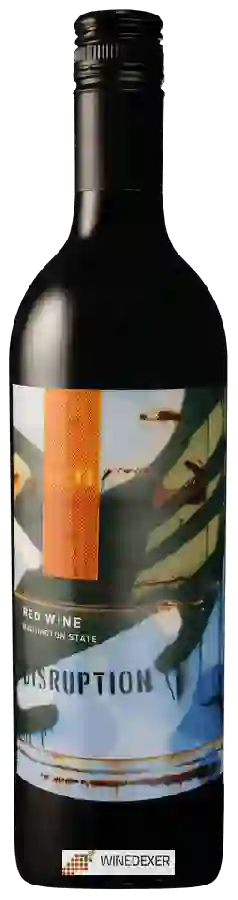
 Red wine



This wine is a blend of 2 varietals which are the Cabernet-Sauvignon and the Malbec.
In the mouth this red wine is a powerful with a nice balance between acidity and tannins.
This wine generally goes well with poultry, beef or veal.

Taste structure of the Red from the Winery Disruption
Light | Bold | |
Smooth | Tannic | |
Dry | Sweet | |
Soft | Acidic |
In the mouth the Red of Winery Disruption in the region of Washington is a powerful with a nice balance between acidity and tannins.
Wine flavors and olphactive analysis





On the nose the Red of Winery Disruption in the region of Washington often reveals types of flavors of non oak, earth or microbio and sometimes also flavors of vegetal, oak or spices.
Food and wine pairings with Red
Pairings that work perfectly with Red



Original food and wine pairings with Red

The Red of Winery Disruption matches generally quite well with dishes of beef, pasta or veal such as recipes of beef tongue with pickle sauce, seafood lasagna or saltimbocca alla romana.
Details and technical informations about Winery Disruption's Red.
Discover the grape variety: Cabernet-Sauvignon
Structured, tannic reds, deeply coloured, with aromas of blackcurrant, blackberry, cedar, tobacco and graphite, underpinned by firm acidity and fine ageing potential. Cornerstone of the great Médoc estates (Pauillac, Saint-Estèphe, Saint-Julien) and signature of Napa Valley, Coonawarra and Maipo. The world's most planted red variety, a natural cross of Cabernet Franc x Sauvignon Blanc born in Bordeaux.
Last vintages of this wine
The best vintages of Red from Winery Disruption are 2014, 0, 2016, 2015
Informations about the Winery Disruption
The Winery Disruption is one of of the world's greatest estates. It offers 7 wines for sale in the of Washington to come and discover on site or to buy online.

The wine region of Washington
2nd US producer by volume, on the arid, sunny Columbia Valley. Star Cabernet Sauvignon (~60% of reds): powerful and structured with signature notes of blackcurrant, blackberry, cedar, dry herbs and graphite, firm tannins. Fleshy, peppery Syrah (black fruits, smoked meat). Round, fruity Merlot, historic mineral Riesling (dry and off-dry), precise Chardonnay and ample Sémillon.
The word of the wine: INAO glass
Glass adapted to wine tasting, created in the 1970s by the Institut national des appellations d'origine. At the time, it had the advantage of offering a standardised tool to all tasters. It is characterized by a wide base that allows for good ventilation and a narrow mouth (opening of the glass) to concentrate the aromas. Many high-performance glasses have been created based on this model.