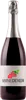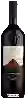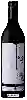
Winery Di MioProsecco Extra Dry
 Red wine



This wine generally goes well with vegetarian, appetizers and snacks or shellfish.
Food and wine pairings with Prosecco Extra Dry
Pairings that work perfectly with Prosecco Extra Dry



Original food and wine pairings with Prosecco Extra Dry


The Prosecco Extra Dry of Winery Di Mio matches generally quite well with dishes of shellfish, vegetarian or appetizers and snacks such as recipes of chicken chop suey, quiche lorraine or bruschetta with mozzarella.
Details and technical informations about Winery Di Mio's Prosecco Extra Dry.
Discover the grape variety: Muscadoule
This direct-producing hybrid is the result of an interspecific cross between Villard blanc and Muscat de Hambourg, obtained in 1937 by Galibert Alfred and Coulondre Eric. Almost no longer multiplied, it is now clearly on the verge of extinction.
Last vintages of this wine
The best vintages of Prosecco Extra Dry from Winery Di Mio are 0
Informations about the Winery Di Mio
The Winery Di Mio is one of of the world's greatest estates. It offers 7 wines for sale in the of Veneto to come and discover on site or to buy online.

The wine region of Veneto
Veneto is an important and growing wine region in northeastern Italy. Veneto is administratively Part of the Triveneto area, aLong with its smaller neighbors, Trentino-Alto Adige and Friuli-Venezia Giulia. In terms of geography, culture and wine styles, it represents a transition from the Alpine and Germanic-Slavic end of Italy to the warmer, drier, more Roman lands to the South. Veneto is slightly smaller than the other major Italian wine regions - Piedmont, Tuscany, Lombardy, Puglia and Sicily - but it produces more wine than any of them.
The word of the wine: Free-run wine
The free-run wine is the wine that flows out of the vat by gravity at the time of running off. The marc soaked in wine is then pressed to extract a rich and tannic wine. Free-run wine and press wine are then aged separately and eventually blended by the winemaker in proportions defined according to the type of wine being made.