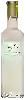
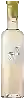
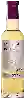
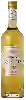
Winery Désiré EstéveMaurydoré Muscat de Rivesaltes
 Natural sweet wine
This wine generally goes well with spicy food and sweet desserts.
The Maurydoré Muscat de Rivesaltes of the Winery Désiré Estéve is in the top 70 of wines of Muscat de Rivesaltes.

Food and wine pairings with Maurydoré Muscat de Rivesaltes
Pairings that work perfectly with Maurydoré Muscat de Rivesaltes


Original food and wine pairings with Maurydoré Muscat de Rivesaltes
The Maurydoré Muscat de Rivesaltes of Winery Désiré Estéve matches generally quite well with dishes of mature and hard cheese, blue cheese or aperitif such as recipes of parsnip mousse in a glass jar, gnocchi with three cheeses or autumn verrine.
Details and technical informations about Winery Désiré Estéve's Maurydoré Muscat de Rivesaltes.
Discover the grape variety: Vernaccia di Oristano
Long-aged oxidative and structured whites with an amber robe, a dense palate with fine acidity on bitter almond, dried fruits (walnut), saline and marked oxidative aromas (sherry style). Aged under a veil of flor in the manner of Andalusian fino. Star of the Vernaccia di Oristano DOC, a great traditional Sardinian oxidative wine. Vernaccia variety grown in Sardinia, in the Oristano region.
Informations about the Winery Désiré Estéve
The Winery Désiré Estéve is one of of the world's greatest estates. It offers 3 wines for sale in the of Muscat de Rivesaltes to come and discover on site or to buy online.

The wine region of Muscat de Rivesaltes
Star AOC of Roussillon's Vins Doux Naturels: Muscat a Petits Grains and Muscat of Alexandria as signatures in equal parts in sweet whites — pale gold robe with green or pinkish glints, dazzling signature aromas of peach, lemon, mango, fresh grape, rose and mint, unctuous palate preserved by mutage with alcohol. Amber evolution with age toward honey, candied apricot and spices. AOC, ~4,400 ha across 99 communes, varied soils (granite, schist, limestone), Mediterranean and Muscat de Noel.
The wine region of Languedoc-Roussillon
Largest single French vineyard, dominated by sunny, generous reds. Spicy Syrah, candied Grenache (ripe fruit, garrigue), structured Carignan, deep Mourvèdre, supple Cinsault. Stars: structured Corbières, Minervois, Faugères, Saint-Chinian; round Côtes-du-Roussillon. Legendary vins doux naturels: Banyuls and Maury (fortified Grenache) with notes of cocoa, fig, prune.
The word of the wine: Lies
A deposit formed by dead yeast after fermentation. Some white wines are aged on their lees, which makes their aromas and structure more complex and richer.