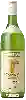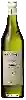
Winery Deserts Francois ChappuisSaint Saphorin Les Fosses
 White wine



This wine generally goes well with

Details and technical informations about Winery Deserts Francois Chappuis's Saint Saphorin Les Fosses.
Discover the grape variety: Chasselas
Light, lively whites with a tender palate and low acidity, with discreet aromas of fresh hazelnut, white flowers, light honey, apple and strongly terroir-driven mineral notes ("chameleon wine" of Swiss soils). Made as dry, often slightly sparkling whites. Absolute star of Vaud (Dézaley, Calamin, Lavaux Grand Cru) and Valais (Fendant) in Switzerland. Also in Pouilly-sur-Loire AOC and the German Jura. Excellent table grape.
Last vintages of this wine
The best vintages of Saint Saphorin Les Fosses from Winery Deserts Francois Chappuis are 0
Informations about the Winery Deserts Francois Chappuis
The Winery Deserts Francois Chappuis is one of of the world's greatest estates. It offers 8 wines for sale in the of Saint-Saphorin to come and discover on site or to buy online.

The wine region of Saint-Saphorin
Historic Swiss AOC of Lavaux (Vaud, UNESCO 2007) on vertiginous terraces above Lake Geneva: exclusive signature Chasselas as white king — signature profile dry and full, mineral and elegant with delicate floral and fruity aromas (stone fruits, citrus), discreet touch of vanilla and hay flowers, ample and velvety palate with subtle effervescence, signature ample structure and caramelised touches, supreme terroir expression. Triple sun (soil/lake/sky), dry-stone walls.
The wine region of Vaud
World reference for Chasselas (~60% of the vineyard). Mineral, delicate whites with signature notes of green apple, citrus, white flowers, fresh almond and a saline touch, low acidity and a silky palate. Maximum expression in Lavaux (UNESCO 2007) on Lake Geneva terraces. Also La Côte, Chablais and the iconic Dézaley.
The word of the wine: Draft liquor (champagne)
After blending, the wine is bottled with a liqueur de tirage (a mixture of sugar and wine) and a yeast (selected yeasts). The yeast attacks the sugar and creates carbon dioxide. The fermentation, which lasts about two months, is prolonged by an ageing period (15 months minimum in total). The bottle is capped (some rare vintages are capped with a staple and a cork).