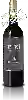
Château DenatCorbieres
 Red wine
This wine generally goes well with beef, veal or pasta.
Food and wine pairings with Corbieres
Pairings that work perfectly with Corbieres



Original food and wine pairings with Corbieres
The Corbieres of Château Denat matches generally quite well with dishes of beef, pasta or veal such as recipes of pasta bolognese, spaghetti cacio e pepe or mouse of lamb with thyme.
Details and technical informations about Château Denat's Corbieres.
Discover the grape variety: Berdomenel
Spanish, present for a long time in the vineyard of Pamiers in Ariège. Today, it is no longer multiplied and is therefore in danger of extinction.
Informations about the Château Denat
The Château Denat is one of of the world's greatest estates. It offers 4 wines for sale in the of Languedoc to come and discover on site or to buy online.

The wine region of Languedoc
Languedoc (formerly Coteaux du Languedoc) is a key appellation used in the Languedoc-Roussillon wine region of southern France. It covers Dry table wines of all three colors (red, white and rosé) from the entire region, but leaves Sweet and Sparkling wines to other more specialized appellations. About 75% of all Languedoc wines are red, with the remaining 25% split roughly down the middle between whites and rosés. The appellation covers most of the Languedoc region and almost a third of all the vineyards in France.
The wine region of Languedoc-Roussillon
Languedoc (formerly Coteaux du Languedoc) is a key appellation used in the Languedoc-Roussillon wine region of southern France. It covers Dry table wines of all three colors (red, white and rosé) from the entire region, but leaves Sweet and Sparkling wines to other more specialized appellations. About 75% of all Languedoc wines are red, with the remaining 25% split roughly down the middle between whites and rosés. The appellation covers most of the Languedoc region and almost a third of all the vineyards in France.
The word of the wine: Aroma
A pleasant smell that can be primary (or varietal, i.e. characteristic of the grape), secondary (resulting from fermentation) or tertiary (resulting from the aging of the wine in the bottle).