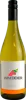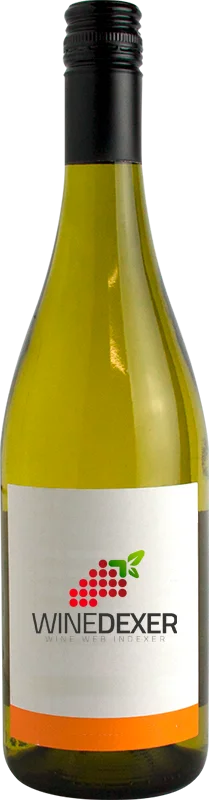
Winery DelhaizeSaint-Pourçain Blanc Sec
 White wine
This wine generally goes well with

Details and technical informations about Winery Delhaize's Saint-Pourçain Blanc Sec.
Discover the grape variety: Rondo
Colourful, fruity reds with a dense purple robe, supple tannins and fresh acidity. Aromas of black cherry, blackberry, plum, blackcurrant and spicy notes. Round palate, best drunk young. A very early-ripening, cold-hardy interspecific variety (to -25 °C), it drives northern viticulture in Germany, the UK, the Netherlands, Belgium, Denmark, Sweden and Poland. German hybrid created in 1964 at Geilweilerhof (Vitis amurensis × Saint-Laurent, descended from Zarya Severa).
Informations about the Winery Delhaize
The Winery Delhaize is one of wineries to follow in Saint-Pourçain.. It offers 312 wines for sale in the of Saint-Pourçain to come and discover on site or to buy online.

The wine region of Saint-Pourçain
AOC of Auvergne, Loire satellite (elevated AOC 2009, 600 ha across 19 communes): Tressallier (local Sacy) signature as king white with Chardonnay and Sauvignon — signature profile lively, saline and nervy with citrus and minerality, texture close to Aligoté or Melon. Gamay (40-75%) and Pinot Noir (25-60%) signature blend as king red — hybrid Beaujolais-Burgundy profile with cherry, raspberry and delicate spices. Gamay alone for fresh, crunchy rosés.
The wine region of Loire Valley
Kingdom of lively, dry whites and fine sparklers. Mineral, taut Sauvignon Blanc (Sancerre, Pouilly-Fumé) with citrus and gunflint notes. Multiform Chenin Blanc (Vouvray, Savennières, Layon): straight dry, floral off-dry or noble sweet honey-quince. Saline, iodised Muscadet (Melon B.
The word of the wine: Licking
Operation consisting in sanitizing a barrel by introducing a wick of ignited sulphur which produces a release of sulphurous gas.