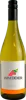
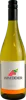
Winery De BortoliGold Seal Soft Fruity White
 Sweet wine


This wine is a blend of 2 varietals which are the Chardonnay and the Gewurztraminer.
This wine generally goes well with pork, vegetarian or poultry.

Food and wine pairings with Gold Seal Soft Fruity White
Pairings that work perfectly with Gold Seal Soft Fruity White



Original food and wine pairings with Gold Seal Soft Fruity White


The Gold Seal Soft Fruity White of Winery De Bortoli matches generally quite well with dishes of pork, rich fish (salmon, tuna etc) or shellfish such as recipes of the secrets of croque-monsieur, leek and salmon lasagna or penne with shrimp and zucchini.
Details and technical informations about Winery De Bortoli's Gold Seal Soft Fruity White.
Discover the grape variety: Chardonnay
Whites with many faces: mineral and taut at Chablis (lemon, green apple, flint), opulent and buttery at Meursault and Puligny-Montrachet (hazelnut, brioche, yellow fruits), tense and chalky in Champagne (Blanc de Blancs). Also vinified sparkling and widely exported (Sonoma, Margaret River, Casablanca). A Burgundian variety, a cross of Pinot Noir × Gouais Blanc, half-sibling of Aligoté.
Last vintages of this wine
The best vintages of Gold Seal Soft Fruity White from Winery De Bortoli are 2014
Informations about the Winery De Bortoli
The Winery De Bortoli is one of wineries to follow in Nouvelle-Galles du Sud.. It offers 535 wines for sale in the of Nouvelle-Galles du Sud to come and discover on site or to buy online.

The wine region of Nouvelle-Galles du Sud
Australia's 2nd wine state with diverse regions. Iconic Hunter Valley: a Sémillon unlike any other, straight, low-alcohol dry whites with vivid citrus when young, evolving over 10-20 years toward honey, toast and lanolin. Medium-bodied Hunter Shiraz, spicy and earthy (leather, red fruits). Also round Chardonnay and aromatic Verdelho.
The word of the wine: Assemblage (Champagne)
In Champagne, it is the art of blending still wines from different grape varieties (pinot meunier, pinot noir, chardonnay), from different terroirs (villages, areas) and often from different years. The incorporation of older wines, called reserve wines, allows for greater aromatic complexity.