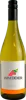
Winery David HarmSchiefer Grüner Veltliner
 White wine
In the mouth this white wine is a with a nice freshness.
This wine generally goes well with pork, vegetarian or poultry.

Taste structure of the Schiefer Grüner Veltliner from the Winery David Harm
Light | Bold | |
Dry | Sweet | |
Soft | Acidic |
In the mouth the Schiefer Grüner Veltliner of Winery David Harm in the region of Weinland is a with a nice freshness.
Food and wine pairings with Schiefer Grüner Veltliner
Pairings that work perfectly with Schiefer Grüner Veltliner



Original food and wine pairings with Schiefer Grüner Veltliner


The Schiefer Grüner Veltliner of Winery David Harm matches generally quite well with dishes of pork, vegetarian or poultry such as recipes of brazilian feijoada, quiche with bacon and gruyère cheese or blue cord.
Details and technical informations about Winery David Harm's Schiefer Grüner Veltliner.
Discover the grape variety: Chenanson
Supple, fruity reds with intense ruby colour, soft tannins and a generous palate, showing aromas of red fruits (raspberry, cherry), plum, soft spices and Mediterranean notes. Approachable style to drink young. Grown in Languedoc-Roussillon and the south-east for Pays-d'Oc IGP and modern southern blends. French variety created in 1958 in Montpellier by Paul Truel (Grenache × Jurançon noir).
Informations about the Winery David Harm
The Winery David Harm is one of of the world's greatest estates. It offers 9 wines for sale in the of Weinland to come and discover on site or to buy online.

The wine region of Weinland
Vast German-speaking region in north-eastern Switzerland, the country's largest production area. Signature Pinot Noir (Blauburgunder): fine, fresh reds with notes of cherry, raspberry, undergrowth and sweet spices, silky tannins. Elegant, delicate style, often barrel-aged. Also light, floral Müller-Thurgau (Riesling-Sylvaner), lively, lemony native Räuschling, ample Pinot Gris.
The word of the wine: Basic wine
Dry, still wine intended for the production of sparkling wines (champagne, crémants, etc.). The basic wines undergo a second fermentation in the bottle for the production of carbon dioxide, and therefore of bubbles.