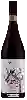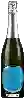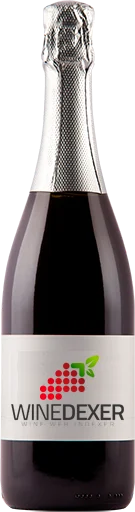
Winery DamoliAvant-Garde Corvina Metodo Classico Nature
 Sparkling wine


This wine generally goes well with rich fish (salmon, tuna etc), shellfish or mild and soft cheese.
Food and wine pairings with Avant-Garde Corvina Metodo Classico Nature
Pairings that work perfectly with Avant-Garde Corvina Metodo Classico Nature



Original food and wine pairings with Avant-Garde Corvina Metodo Classico Nature
The Avant-Garde Corvina Metodo Classico Nature of Winery Damoli matches generally quite well with dishes of rich fish (salmon, tuna etc), shellfish or mild and soft cheese such as recipes of papillotes of mackerel, paella for dummies (simple and delicious) or savoyard fondue with ceps.
Details and technical informations about Winery Damoli's Avant-Garde Corvina Metodo Classico Nature.
Discover the grape variety: Corvina
Its precise origin is unknown, it has been cultivated for a very long time in northern Italy. It can be found in Switzerland, Australia, Argentina, ... in France it is almost unknown. It should not be confused with the Corvinone, another Italian grape variety. It should be noted that the Corvina is related to the Rondinella and the Refosco dal Peduncolo rosso.
Last vintages of this wine
The best vintages of Avant-Garde Corvina Metodo Classico Nature from Winery Damoli are 0
Informations about the Winery Damoli
The Winery Damoli is one of of the world's greatest estates. It offers 10 wines for sale in the of Veneto to come and discover on site or to buy online.

The wine region of Veneto
Veneto is an important and growing wine region in northeastern Italy. Veneto is administratively Part of the Triveneto area, aLong with its smaller neighbors, Trentino-Alto Adige and Friuli-Venezia Giulia. In terms of geography, culture and wine styles, it represents a transition from the Alpine and Germanic-Slavic end of Italy to the warmer, drier, more Roman lands to the South. Veneto is slightly smaller than the other major Italian wine regions - Piedmont, Tuscany, Lombardy, Puglia and Sicily - but it produces more wine than any of them.
The word of the wine: Muscat blanc à petits grains
A white grape variety cultivated since antiquity on the shores of the Mediterranean, it is considered the noblest of the muscats. It is mainly used to make sweet wines, often from mutage. In France, it is the sole variety used in many natural sweet wines: muscat-de-frontignan, muscat-de-mireval, muscat-de-lunel, muscat-de-saint-jean-de-minervois, muscat-de-beaumes-de-venise, muscat-du-cap-corse. Combined with Muscat d'Alexandrie, it gives Muscat-de-Rivesaltes. It is also used to make sparkling white wines (clairette-de-die; moscato d'asti and asti spumante in Italy) and dry wines (alsace-muscat). Powerfully aromatic and complex, its wines evoke fresh grapes, roses, exotic fruits, citrus fruits and spices.