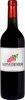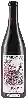
Winery Dorrance Wines (Vins d'Orrance)Simply Rouge
 Red wine


This wine generally goes well with beef, lamb or mature and hard cheese.

Food and wine pairings with Simply Rouge
Pairings that work perfectly with Simply Rouge



Original food and wine pairings with Simply Rouge

The Simply Rouge of Winery Dorrance Wines (Vins d'Orrance) matches generally quite well with dishes of beef, lamb or spicy food such as recipes of traditional hungarian goulash, leg of lamb bravado in the oven or thai beef wok.
Details and technical informations about Winery Dorrance Wines (Vins d'Orrance)'s Simply Rouge.
Discover the grape variety: Gros Verdot
Deep-coloured, simple reds with an intense ruby robe, smooth tannins and a supple palate, with simple aromas of red fruits (cherry, raspberry), soft spices and herbaceous notes. Profile for drinking young. Now marginal, preserved in INRAE varietal collections and a few heritage plots in the Bordelais and Médoc. French autochthonous variety from the South-West, not to be confused with Petit Verdot, a witness to ancient Aquitaine varieties.
Last vintages of this wine
The best vintages of Simply Rouge from Winery Dorrance Wines (Vins d'Orrance) are 0
Informations about the Winery Dorrance Wines (Vins d'Orrance)
The Winery Dorrance Wines (Vins d'Orrance) is one of of the world's greatest estates. It offers 8 wines for sale in the of Western Cape to come and discover on site or to buy online.

The wine region of Western Cape
Cradle of South African wine. Signature Chenin Blanc (Steen, 20%) in ample, fresh whites with notes of quince, yellow apple, honey and acacia flower, from crisp dry to sweet. Sharp, iodised Sauvignon Blanc (Walker Bay, Constantia), balanced Chardonnay. Reds: emblematic Pinotage with roasted aromas (coffee, plum, smoke), firm Cabernet Sauvignon, spicy Syrah.
The word of the wine: Maceration
Prolonged contact and exchange between the juice and the grape solids, especially the skin. Not to be confused with the time of fermentation, which follows maceration. The juice becomes loaded with colouring matter and tannins, and acquires aromas. For a rosé, the maceration is short so that the colour does not "rise" too much. For white wines too, a "pellicular maceration" can be practised, which allows the wine to acquire more fat.