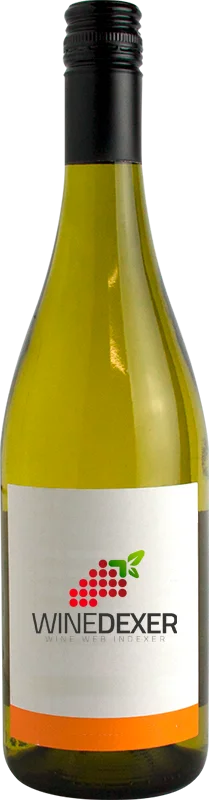
Winery Cuatro AngelesMoscatel de Alejandría
 White wine



This wine generally goes well with
The Moscatel de Alejandría of the Winery Cuatro Angeles is in the top 30 of wines of Coahuila.
Details and technical informations about Winery Cuatro Angeles's Moscatel de Alejandría.
Discover the grape variety: Ravat 34
Jean-François Ravat, in his published writings, has never given the names of the parents of this wine grape. For some, it comes from an interspecific cross between Chardonnay and Vitis Berlandieri. It can be found in North America and Canada, but is virtually unknown in France.
Last vintages of this wine
The best vintages of Moscatel de Alejandría from Winery Cuatro Angeles are 0, 2016
Informations about the Winery Cuatro Angeles
The Winery Cuatro Angeles is one of of the world's greatest estates. It offers 12 wines for sale in the of Coahuila to come and discover on site or to buy online.

The wine region of Coahuila
The wine region of Coahuila is located in the region of La Laguna of Mexico. Wineries and vineyards like the Domaine Bodega Los Cedros or the Domaine Bodegas del Viento produce mainly wines red, pink and white. The most planted grape varieties in the region of Coahuila are Cabernet-Sauvignon, Merlot and Malbec, they are then used in wines in blends or as a single variety. On the nose of Coahuila often reveals types of flavors of oak, red fruit or black fruit and sometimes also flavors of earth, spices or non oak.
The wine region of La Laguna
The Parras Valley is a small wine region in the Sierra Madre Oriental mountains of Central northern Mexico. Despite being an area with a Rich viticultural history, Parras Valley is a relatively unknown region of wine production on a national and international scale. The valley plays only a small Part in the modern Mexican wine industry as 90 percent of the nation's wine comes from Baja California. The oldest winery in the Americas – the Casa Madera – can be found here, on the site of a Jesuit mission.
The word of the wine: Expressive
Said of a wine that is full-bodied and offers well-defined aromas.