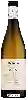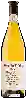
Winery Cruz de CastilloCon Ella Albariño
 wine
wine
This wine generally goes well with
The Con Ella Albariño of the Winery Cruz de Castillo is in the top 0 of wines of Rías Baixas.

Details and technical informations about Winery Cruz de Castillo's Con Ella Albariño.
Discover the grape variety: Marmajuelo
Structured, aromatic dry whites with a pale golden colour, an ample palate and preserved acidity showing citrus (lemon, grapefruit), white flowers, exotic fruits (pineapple) and saline volcanic notes. Fine Atlantic potential. The star of modern Canarian DOC whites, defining the viticultural identity of Tenerife, this variety was nearly extinct before being rediscovered.
Last vintages of this wine


The best vintages of Con Ella Albariño from Winery Cruz de Castillo are 0
Informations about the Winery Cruz de Castillo
The Winery Cruz de Castillo is one of of the world's greatest estates. It offers 9 wines for sale in the of Rías Baixas to come and discover on site or to buy online.

The wine region of Rías Baixas
World benchmark for Albariño (~96% of the vineyard), Atlantic Galicia. Lively, saline dry whites with signature notes of grapefruit, white peach, exotic fruit, white flowers and a characteristic iodine touch, a mineral palate kept taut by Atlantic humidity — the perfect match for seafood, polbo á feira and shellfish. Vines sometimes on pergolas (parras). Also Treixadura and Loureira.
The wine region of Galice
Oceanic northwest Spain, cradle of the great Iberian whites. Signature Albarino of Rias Baixas: lively, saline whites with signature notes of citrus, white peach, white flowers, fresh almond and iodine minerality, a taut palate — a perfect match for Atlantic seafood. Also premium Godello (pear, citrus, butter), aromatic Treixadura. Supple Mencia reds (raspberry, herbs, graphite).
The word of the wine: Primeur (wine)
A wine made to be drunk very young, bottled and marketed very soon after fermentation (about two months). Syn.: new.