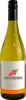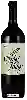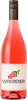
Winery CrewRosé
 Pink wine


This wine generally goes well with beef, lamb or mature and hard cheese.

Food and wine pairings with Rosé
Pairings that work perfectly with Rosé



Original food and wine pairings with Rosé

The Rosé of Winery Crew matches generally quite well with dishes of beef, lamb or spicy food such as recipes of beef bourguignon in the oven of nanou, pastillas with lamb and apricots or beef fajitas.
Details and technical informations about Winery Crew's Rosé.
Discover the grape variety: Madeleine angevine
Aromatic, fresh dry whites with a pale hue, a supple palate and preserved acidity, with delicate notes of light muscat, citrus, white flowers, apple and florals. Thirst-quenching, drink young. Very early-ripening variety suited to northern climates: a quiet star of modern English wines, also grown in the Pacific Northwest and Anjou. Hybrid created in 1857 by Moreau-Robert in Anjou (madeleine royale × précoce de Malingre).
Last vintages of this wine
The best vintages of Rosé from Winery Crew are 0
Informations about the Winery Crew
The Winery Crew is one of of the world's greatest estates. It offers 2 wines for sale in the of North Coast to come and discover on site or to buy online.

The wine region of North Coast
Vast Californian parent AVA: Napa, Sonoma, Mendocino, Lake County. Cabernet Sauvignon the star: powerful, opulent reds with ripe blackcurrant, blackberry, chocolate, cedar and tobacco, round tannins, sun-soaked palate. Round Chardonnay (pear, brioche, butter, vanilla). Also fresh coastal and Russian River Pinot Noir, sunny Zinfandel (candied blackberry, spice), supple Merlot.
The wine region of California
Powerful, sunny reds: dense Napa Cabernet Sauvignon (blackcurrant, chocolate, tobacco, ample tannins), spicy, jammy Zinfandel from the Sierra Foothills, silky red-fruited Pinot Noir on the cool coast (Sonoma, Russian River, Central Coast). Opulent, buttery Chardonnay, notes of yellow fruit and vanilla. Varied climate, from the hot interior to the Pacific-cooled coast. 80% of US production, 139 AVAs including Napa (1st AVA, 1981).
The word of the wine: Presses
The juice that results from pressing the grapes after fermentation. At the end of the maceration, the vats are emptied, the first juice obtained is called the free-run wine and the marc remaining at the bottom of the vat is then pressed to give the press wine. We say more quickly "the presses". Their quality varies according to the vintage and the maceration. A too vigorous extraction releases the tannins of pips and the wine of press can then prove to be very astringent. Often the winemaker raises it separately, deciding later whether or not to incorporate it totally or partially into the grand vin.