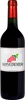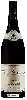
Winery CrassErbacher Michelmark Spätburgunder
 Red wine



In the mouth this red wine is a with a nice freshness.
This wine generally goes well with poultry, beef or veal.
Taste structure of the Erbacher Michelmark Spätburgunder from the Winery Crass
Light | Bold | |
Smooth | Tannic | |
Dry | Sweet | |
Soft | Acidic |
In the mouth the Erbacher Michelmark Spätburgunder of Winery Crass in the region of Rheingau is a with a nice freshness.
Food and wine pairings with Erbacher Michelmark Spätburgunder
Pairings that work perfectly with Erbacher Michelmark Spätburgunder



Original food and wine pairings with Erbacher Michelmark Spätburgunder

The Erbacher Michelmark Spätburgunder of Winery Crass matches generally quite well with dishes of beef, veal or poultry such as recipes of thai beef skewers, roast veal with milk and rosemary or pierogi ruskie (with cheese).
Details and technical informations about Winery Crass's Erbacher Michelmark Spätburgunder.
Discover the grape variety: Spätburgunder
Last vintages of this wine
The best vintages of Erbacher Michelmark Spätburgunder from Winery Crass are 0
Informations about the Winery Crass
The Winery Crass is one of of the world's great estates. It offers 38 wines for sale in the of Rheingau to come and discover on site or to buy online.

The wine region of Rheingau
Rheingau is one of the most important of Germany's 13 Anbaugebiete wine regions. However it is far from the biggest; with 3,076 hectares (7,600 acres) of Vineyard">Vineyards documented in 2012, its output is around one tenth of that from the Pfalz and Rheinhessen regions. Located on the Rhine a 20-minute drive west of Frankfurt, the -gau suffix denotes that it was once a county of the Frankish Empire. The classic Rheingau wine is a DryRiesling with pronounced Acidity and aromas of citrus fruits and smoke-tinged minerality – typically more "masculine" than its equivalent from the Mosel.
The word of the wine: Aging
Period during which a wine is kept in a cellar where it goes through different phases of evolution of its aromatic range and a maturation of its constituents (evolution of the colour, refining of the tannins, harmonization of the different flavours, etc.). The wine evolves better and less quickly in large containers, whereas it deteriorates prematurely in half-bottles.