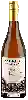
Winery Coyote CanyonGrenache
 Red wine


This wine generally goes well with beef and mature and hard cheese.
The Grenache of the Winery Coyote Canyon is in the top 80 of wines of Horse Heaven Hills.
Wine flavors and olphactive analysis



On the nose the Grenache of Winery Coyote Canyon in the region of Washington often reveals types of flavors of non oak, oak or spices and sometimes also flavors of red fruit.
Food and wine pairings with Grenache
Pairings that work perfectly with Grenache


Original food and wine pairings with Grenache
The Grenache of Winery Coyote Canyon matches generally quite well with dishes of beef or mature and hard cheese such as recipes of meat and goat pie or 4 cheese fondue.
Details and technical informations about Winery Coyote Canyon's Grenache.
Discover the grape variety: Italia
Intraspecific cross between Bicane and Hamburg Muscat obtained in Italy in 1911 by Luigi and Alberto Pirovano of Vaprio d'Adda, entered in the Official Catalogue of Table Grape Varieties, list A1.
Last vintages of this wine
The best vintages of Grenache from Winery Coyote Canyon are 2011, 2010, 0
Informations about the Winery Coyote Canyon
The Winery Coyote Canyon is one of of the world's greatest estates. It offers 26 wines for sale in the of Horse Heaven Hills to come and discover on site or to buy online.

The wine region of Horse Heaven Hills
The wine region of Horse Heaven Hills is located in the region of Columbia Valley of Washington of United States. Wineries and vineyards like the Domaine Quilceda Creek or the Domaine Passing Time produce mainly wines red, white and pink. The most planted grape varieties in the region of Horse Heaven Hills are Cabernet-Sauvignon, Merlot and Malbec, they are then used in wines in blends or as a single variety. On the nose of Horse Heaven Hills often reveals types of flavors of grapefruit, butter or dried fruit and sometimes also flavors of red fruit, black fruit or chard.
The wine region of Washington
Washington State is located in the Pacific Northwest of the United States, immediately north of Oregon. Although the history of the wine industry is relatively Short, Washington's 900-plus wineries and 350-plus independent winemakers, with more than 50,000 acres of vineyards, now produce more wine than any other state except California. Almost all wine production is in the hot, desert-like eastern Part of Washington, although there is some Grape growing and an AVA (Puget Sound) in the cooler, wetter west. White Chardonnay and Riesling grapes, and red Merlot, Cabernet Sauvignon and Syrah grapes are the main varieties grown in Washington, but the region produces quality wines from nearly 70 different grape varieties.
The word of the wine: Tartar (deposit)
White, chalky deposits that occur as a result of precipitation inside bottles and are often considered by consumers as a defect. They are in fact tartaric salts formed by tartaric acid, potassium and calcium naturally present in the wine. This deposit does not alter the quality of the wine and can be eliminated by a simple decanting.