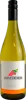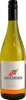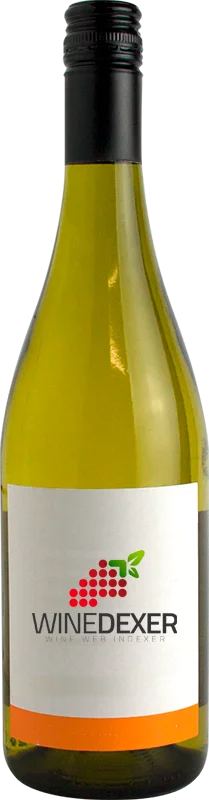
Winery Côtnar Hills VineyardChateau Côtnar Dry White
 White wine


This wine generally goes well with pork, vegetarian or poultry.

Wine flavors and olphactive analysis

Food and wine pairings with Chateau Côtnar Dry White
Pairings that work perfectly with Chateau Côtnar Dry White



Original food and wine pairings with Chateau Côtnar Dry White

The Chateau Côtnar Dry White of Winery Côtnar Hills Vineyard matches generally quite well with dishes of pork, rich fish (salmon, tuna etc) or vegetarian such as recipes of pizza calzone with ham and mushrooms, wild rice salad with tuna or vegan leek and tofu quiche.
Details and technical informations about Winery Côtnar Hills Vineyard's Chateau Côtnar Dry White.
Discover the grape variety: Chardonnay
Whites with many faces: mineral and taut at Chablis (lemon, green apple, flint), opulent and buttery at Meursault and Puligny-Montrachet (hazelnut, brioche, yellow fruits), tense and chalky in Champagne (Blanc de Blancs). Also vinified sparkling and widely exported (Sonoma, Margaret River, Casablanca). A Burgundian variety, a cross of Pinot Noir × Gouais Blanc, half-sibling of Aligoté.
Last vintages of this wine

The best vintages of Chateau Côtnar Dry White from Winery Côtnar Hills Vineyard are 2018, 2016, 1998, 0 and 2014.
Informations about the Winery Côtnar Hills Vineyard
The Winery Côtnar Hills Vineyard is one of of the world's greatest estates. It offers 21 wines for sale in the of Одеса to come and discover on site or to buy online.

The wine region of Одеса
Southern region of Ukraine on the Black Sea, temperate maritime climate. Native Odesa Black (Alibernet) is the signature red: deep robe with signature notes of blackcurrant, black cherry, plum, dried herbs, black pepper and a smoky touch, firm tannins — a local Ukrainian selection. Also intense Saperavi, Cabernet Sauvignon, round Merlot, fine Pinot Noir. Native Sukholimansky whites, Chardonnay, Rkatsiteli, Aligoté, Riesling, aromatic Muscat.
The word of the wine: Tartar (deposit)
White, chalky deposits that occur as a result of precipitation inside bottles and are often considered by consumers as a defect. They are in fact tartaric salts formed by tartaric acid, potassium and calcium naturally present in the wine. This deposit does not alter the quality of the wine and can be eliminated by a simple decanting.