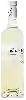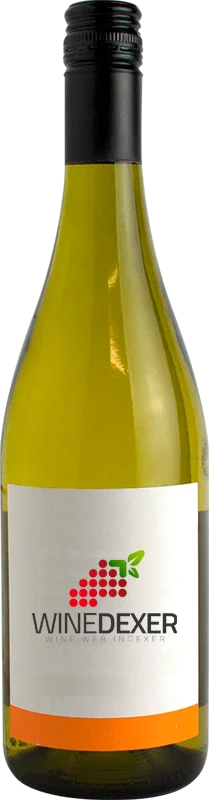
Winery Coteaux de LanconCornillon Confoux Coteaux d'Aix-en-Provence Blanc
 White wine
This wine is a blend of 3 varietals which are the Bourboulenc, the Clairette and the Vermentino.
This wine generally goes well with

Details and technical informations about Winery Coteaux de Lancon's Cornillon Confoux Coteaux d'Aix-en-Provence Blanc.
Discover the grape variety: Bourboulenc
Fresh and aromatic whites with an ample palate and preserved acidity despite the sun, on discreet aromas of white flowers (broom), citrus, exotic fruits, fennel and saline marine notes. Very late-ripening, retaining freshness in hot climates. Essential component of white Châteauneuf-du-Pape AOC, white Côtes-du-Rhône and Bandol blanc, and the absolute signature of La Clape AOC. Native southern French variety with very late ripening.
Informations about the Winery Coteaux de Lancon
The Winery Coteaux de Lancon is one of of the world's greatest estates. It offers 6 wines for sale in the of Coteaux d'Aix-en-Provence to come and discover on site or to buy online.

The wine region of Coteaux d'Aix-en-Provence
Provençal AOC between the Durance, Rhône, Mediterranean and Sainte-Victoire, 70% rosés. Fresh, fruity rosés with signature notes of strawberry, grapefruit, white peach, flowers and a garrigue touch, taut and thirst-quenching palate — the sunny Provençal aperitif. Supple reds blending Grenache, Syrah, Cinsault, Mourvèdre and Cabernet Sauvignon (spice, density, structure). Whites Rolle (Vermentino) and Clairette, ample with white flowers.
The wine region of Provence
World capital of dry, refined rosé (~90% of production). Pale rose-petal colour, delicate nose of fresh red fruits (strawberry, raspberry, redcurrant), citrus (pink grapefruit), white flowers and a mineral touch, taut and thirst-quenching palate — the Mediterranean aperitif par excellence. Blends of Grenache, Cinsault, Syrah, Tibouren and Mourvèdre. Fleshy Bandol reds from Mourvèdre (leather, garrigue, age-worthy), straight Cassis whites.
The word of the wine: Disgorging (champagne)
This is the evacuation of the deposit formed by the yeasts during the second fermentation in the bottle, by opening the bottle. The missing volume is completed with the liqueur de dosage - a mixture of wine and cane sugar - before the final cork is placed. For some years now, some producers have been replacing this sugar with rectified concentrated musts (concentrated grape juice) which give excellent results. A too recent dosage (less than three months) harms the gustatory harmony of the champagne.