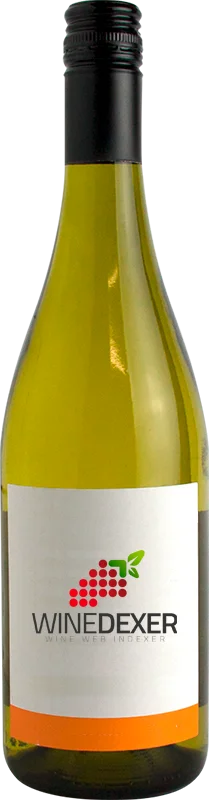
Winery Viña CosteiraVia Barrosa Treixadura
 White wine


This wine generally goes well with
The Via Barrosa Treixadura of the Winery Viña Costeira is in the top 90 of wines of Ribeiro.

Details and technical informations about Winery Viña Costeira's Via Barrosa Treixadura.
Discover the grape variety: Merlot
Round and fleshy reds with a velvety texture, showing aromas of ripe plum, black cherry, cocoa and truffle notes with age. Supple tannins, generous alcohol, indulgent finish. Pillar of Libournais (Pomerol with Pétrus, Saint-Émilion with Cheval Blanc and Ausone) and signature of Super Tuscans, Italian Wales and Washington State. A cross of Cabernet Franc × Magdeleine Noire, France's most planted red variety.
Last vintages of this wine

The best vintages of Via Barrosa Treixadura from Winery Viña Costeira are 0, 2019
Informations about the Winery Viña Costeira
The Winery Viña Costeira is one of of the world's great estates. It offers 37 wines for sale in the of Ribeiro to come and discover on site or to buy online.

The wine region of Ribeiro
Ancestral Galician DO of north-west Spain, humid oceanic climate and granite soils (~2,500 ha). Mostly lively and elegant whites. Native Treixadura signature with signature notes of white apple, pear, white flowers, citrus, fresh herbs and a mineral touch, fruity and long palate. Often blended with taut Godello, saline Albariño, floral Loureira, Torrontés.
The wine region of Galice
Oceanic northwest Spain, cradle of the great Iberian whites. Signature Albarino of Rias Baixas: lively, saline whites with signature notes of citrus, white peach, white flowers, fresh almond and iodine minerality, a taut palate — a perfect match for Atlantic seafood. Also premium Godello (pear, citrus, butter), aromatic Treixadura. Supple Mencia reds (raspberry, herbs, graphite).
The word of the wine: Local wine
Table wine, but with the origin indicated. It corresponds to a particular legislation: the freedom to use grape varieties is greater than for the AOC, but the quality criteria such as the approval tastings can sometimes be more demanding. The legislation is still evolving, but for the moment there are three levels: regional (e.g. Vin de Pays d'Oc), departmental and local (e.g. Côtes de Thongue).