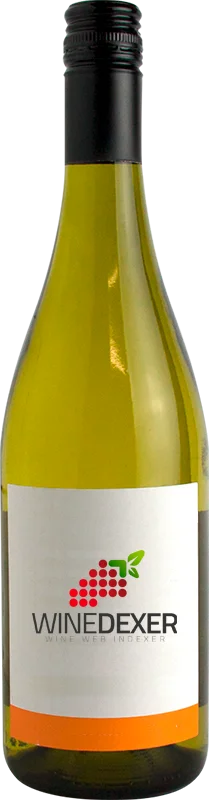
Winery Cooperativa Vitivinicola Cellatica GussagoCurtefranca Bianco
 White wine
This wine generally goes well with

Details and technical informations about Winery Cooperativa Vitivinicola Cellatica Gussago's Curtefranca Bianco.
Discover the grape variety: Merzling
Aromatic, fresh whites with a pale golden robe, a supple palate and preserved acidity, with signature aromas of exotic fruits (pineapple, mango), white flowers (elderflower, acacia), citrus and muscat notes. Modern profile, best drunk young. Disease-resistant hybrid grape, a driver of organic viticulture in central Europe and parent of Bronner. German white hybrid created in 1960 in Freiburg (Seyve-Villard × (Riesling × Pinot Gris)).
Informations about the Winery Cooperativa Vitivinicola Cellatica Gussago
The Winery Cooperativa Vitivinicola Cellatica Gussago is one of of the world's great estates. It offers 20 wines for sale in the of Curtefranca to come and discover on site or to buy online.

The wine region of Curtefranca
Lombard DOC renamed in 2008 (~2,800 ha south shore Lake Iseo, Brescia): signature Chardonnay as white king (50%) complemented by Pinot Blanc and Pinot Noir — rich aromatic profile with lively acidity. Merlot (25%), Cabernet Sauvignon (10-35%), Cabernet Franc and Carmenère (20%) as red kings — structured Bordeaux style with black fruits and spice. Tempered lakeside microclimate, signature glacial moraines, still wines complementing neighbouring Franciacorta DOCG.
The wine region of Lombardia
Three poles. Franciacorta DOCG, Italy's answer to Champagne: elegant brioche traditional-method sparklers (Chardonnay, Pinot Noir, Pinot Blanc), fine bubble and mineral profile. Alpine Valtellina: Nebbiolo (alias Chiavennasca) with fine tannins and red fruits, powerful Sforzato passito. Oltrepò Pavese: fresh Pinot Noir and fruity-sparkling Bonarda.
The word of the wine: Oxidative (breeding)
A method of ageing which aims to give the wine certain aromas of evolution (dried fruit, bitter orange, coffee, rancio, etc.) by exposing it to the air; it is then matured either in barrels, demi-muids or unoaked casks, sometimes stored in the open air, or in barrels exposed to the sun and to temperature variations. This type of maturation characterizes certain natural sweet wines, ports and other liqueur wines.