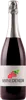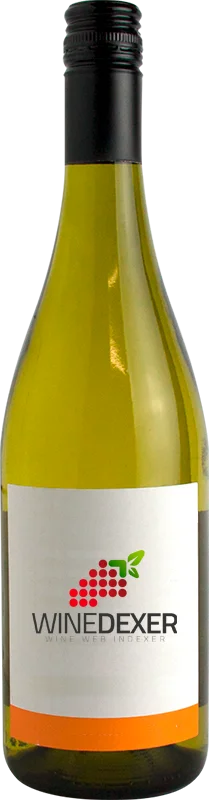
Winery TávoraTerras do Demo Branco Seco
 White wine


In the mouth this white wine is a with a nice freshness.
This wine generally goes well with appetizers and snacks, lean fish or shellfish.
Taste structure of the Terras do Demo Branco Seco from the Winery Távora
Light | Bold | |
Dry | Sweet | |
Soft | Acidic |
In the mouth the Terras do Demo Branco Seco of Winery Távora in the region of Beiras is a with a nice freshness.
Food and wine pairings with Terras do Demo Branco Seco
Pairings that work perfectly with Terras do Demo Branco Seco



Original food and wine pairings with Terras do Demo Branco Seco

The Terras do Demo Branco Seco of Winery Távora matches generally quite well with dishes of shellfish, appetizers and snacks or lean fish such as recipes of wok of pointed cabbage with shrimps and lemongrass bo bun style, biscuits for dogs or whiting with steamed zucchini.
Details and technical informations about Winery Távora's Terras do Demo Branco Seco.
Discover the grape variety: Verdelho
The white Verdelho is a grape variety that originated in Portugal. It produces a variety of grape specially used for the elaboration of wine. It is rare to find this grape to eat on our tables. This variety of grape is characterized by small bunches, and grapes of medium size. The white Verdelho can be found cultivated in these vineyards: Languedoc & Roussillon, Rhone Valley, South West.
Last vintages of this wine

The best vintages of Terras do Demo Branco Seco from Winery Távora are 2011, 2018, 2008, 0 and 2017.
Informations about the Winery Távora
The Winery Távora is one of of the world's great estates. It offers 21 wines for sale in the of Távora-Varosa to come and discover on site or to buy online.

The wine region of Távora-Varosa
The wine region of Távora-Varosa is located in the region of Beiras of Portugal. Wineries and vineyards like the Domaine Murganheira or the Domaine Murganheira produce mainly wines sparkling, red and white. The most planted grape varieties in the region of Távora-Varosa are Touriga nacional, Touriga franca and Tinta Barroca, they are then used in wines in blends or as a single variety. On the nose of Távora-Varosa often reveals types of flavors of apples, spices or black fruit and sometimes also flavors of red fruit, raspberry or strawberries.
The wine region of Beiras
Beiras (Beira) is a traditional administrative region in the northern half of Portugal. It is also the name of the IGP, or Indicacoes Geograficas Protegidas, wine classification (formerly known as Vinho Regional) which covers the region as a whole. A wide range of wines are made in Beiras – red wines from the region are typically Rich, deeply colored wines made from Baga, Castelão, Rufete (Tinto Pinheira), Merlot, Cabernet Sauvignon, Syrah and Touriga Nacional, and are sometimes fortified to emulate their more famous Oporto cousins. Whites are most often based on Fernão Pires and Bical, the latter being a small-berried variety with the affectionate nickname Borrado das Moscaos ('fly droppings').
The word of the wine: Girl
Equivalent of the Lyon pot with a capacity of 29 cl.