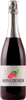
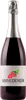
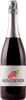
Winery ContrattoDe Miranda Asti Spumante
 Sparkling wine


In the mouth this sparkling wine is a .
This wine generally goes well with fruity desserts, aperitif or sweet desserts.

Taste structure of the De Miranda Asti Spumante from the Winery Contratto
Light | Bold | |
Soft | Acidic | |
Gentle | Fizzy |
In the mouth the De Miranda Asti Spumante of Winery Contratto in the region of Piedmont is a .
Wine flavors and olphactive analysis




On the nose the De Miranda Asti Spumante of Winery Contratto in the region of Piedmont often reveals types of flavors of earth, vegetal or tree fruit and sometimes also flavors of citrus fruit, floral or tropical fruit.
Food and wine pairings with De Miranda Asti Spumante
Pairings that work perfectly with De Miranda Asti Spumante



Original food and wine pairings with De Miranda Asti Spumante
The De Miranda Asti Spumante of Winery Contratto matches generally quite well with dishes of sweet desserts, fruity desserts or aperitif such as recipes of very simple muffins, the coughing cat's apple crumble or steamed carrots with saffron.
Details and technical informations about Winery Contratto's De Miranda Asti Spumante.
Discover the grape variety: Reine des vignes
Table grape with medium clusters and golden berries with thin skin and aromatic muscat flesh, featuring a characteristic aromatic sweet flavour (rose, fresh grape, muscat). Very early-ripening. Grown mainly in central Europe (Hungary, Italy) and France for fresh consumption, a signature aromatic summer table grape on market stalls. French aromatic white table grape variety, obtained by early-ripening and muscat crossing for fresh consumption.
Last vintages of this wine
The best vintages of De Miranda Asti Spumante from Winery Contratto are 2015, 2013, 2011, 0 and 2009.
Informations about the Winery Contratto
The Winery Contratto is one of of the world's greatest estates. It offers 45 wines for sale in the of Piedmont to come and discover on site or to buy online.

The wine region of Piedmont
Kingdom of Nebbiolo: Barolo and Barbaresco DOCG, long-ageing reds with firm tannins and lively acidity, complex aromas of withered rose, sour cherry, tar, truffle and undergrowth. More accessible, tangy Barbera on red fruit, supple, crisp Dolcetto. Sweet, floral sparkling Moscato d'Asti, mineral, lemony Gavi (Cortese) white, round, almondy Arneis from Roero. 50,000 ha across the Langhe, Roero and Monferrato, UNESCO.
The word of the wine: Mouth
The mouth is the third stage of wine tasting after the eye and nose. In the mouth, the taster identifies the aromas through the retronasal route, the flavours and the texture. It is in the mouth that the overall balance of the wine is apprehended.