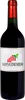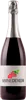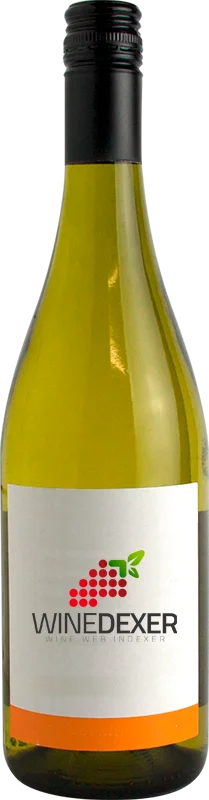
Winery Comtesse du BarryBordeaux Moelleux
 White wine



In the mouth this white wine is a powerful.
This wine generally goes well with pork, vegetarian or poultry.

Taste structure of the Bordeaux Moelleux from the Winery Comtesse du Barry
Light | Bold | |
Dry | Sweet | |
Soft | Acidic |
In the mouth the Bordeaux Moelleux of Winery Comtesse du Barry in the region of Bordeaux is a powerful.
Food and wine pairings with Bordeaux Moelleux
Pairings that work perfectly with Bordeaux Moelleux



Original food and wine pairings with Bordeaux Moelleux


The Bordeaux Moelleux of Winery Comtesse du Barry matches generally quite well with dishes of pork, vegetarian or poultry such as recipes of pizza cone, quiche lorraine or cauliflower croque-monsieur.
Details and technical informations about Winery Comtesse du Barry's Bordeaux Moelleux.
Discover the grape variety: Muscaris
Aromatic, expressive dry whites with a pale golden colour and a broad, crisp palate; signature intense muscat aromas (rose, fresh grape), white flowers, exotic fruits (lychee, mango) and citrus. Modern disease-resistant early-ripening profile. Grown in Germany, Switzerland, Belgium and the UK in organic northern vineyards. German white hybrid obtained in 1987 in Freiburg, from Solaris × Muscat à Petits Grains.
Informations about the Winery Comtesse du Barry
The Winery Comtesse du Barry is one of of the world's greatest estates. It offers 33 wines for sale in the of Bordeaux Moelleux to come and discover on site or to buy online.

The wine region of Bordeaux Moelleux
Emblematic style of Bordeaux off-dry whites (10-50 g sugar/L), produced across the entire AOC area from over-ripened grapes (botrytised or passerillé). Signature Sémillon dominant: golden, round whites with signature notes of honey, apricot, candied fruits, citrus, vanilla and a quince touch, unctuous, fresh palate. Sauvignon Blanc brings taut acidity, Muscadelle the floral aromatic. Accessible, gastronomic style, affordable alternative to Sauternes.
The wine region of Bordeaux
World-renowned age-worthy reds, led by round Merlot (plum, black fruit) or firm Cabernet Sauvignon (blackcurrant, cedar, graphite), blended with Cabernet Franc and Petit Verdot for tannic structure. Structured Médoc and Graves, velvety Saint-Émilion and Pomerol. Also crisp dry whites (Sauvignon/Sémillon) and opulent sweet Sauternes with honey and candied fruit. A 110,000 ha Gironde vineyard, 65 appellations, cradle of the 1855 classified growths.
The word of the wine: Tartar (deposit)
White, chalky deposits that occur as a result of precipitation inside bottles and are often considered by consumers as a defect. They are in fact tartaric salts formed by tartaric acid, potassium and calcium naturally present in the wine. This deposit does not alter the quality of the wine and can be eliminated by a simple decanting.