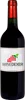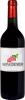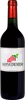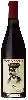
Winery Comte CathareUmbra Grenache
 Red wine



In the mouth this red wine is a powerful with a lot of tannins present in the mouth.
This wine generally goes well with poultry, beef or lamb.

Taste structure of the Umbra Grenache from the Winery Comte Cathare
Light | Bold | |
Smooth | Tannic | |
Dry | Sweet | |
Soft | Acidic |
In the mouth the Umbra Grenache of Winery Comte Cathare in the region of Languedoc-Roussillon is a powerful with a lot of tannins present in the mouth.
Wine flavors and olphactive analysis


On the nose the Umbra Grenache of Winery Comte Cathare in the region of Languedoc-Roussillon often reveals types of flavors of oak.
Food and wine pairings with Umbra Grenache
Pairings that work perfectly with Umbra Grenache



Original food and wine pairings with Umbra Grenache

The Umbra Grenache of Winery Comte Cathare matches generally quite well with dishes of beef, pasta or lamb such as recipes of beef tagliata with truffle oil, cannelloni chicken, pepper and mozzarella or lamb tagine with dried fruits.
Details and technical informations about Winery Comte Cathare's Umbra Grenache.
Discover the grape variety: Chenanson
Supple, fruity reds with intense ruby colour, soft tannins and a generous palate, showing aromas of red fruits (raspberry, cherry), plum, soft spices and Mediterranean notes. Approachable style to drink young. Grown in Languedoc-Roussillon and the south-east for Pays-d'Oc IGP and modern southern blends. French variety created in 1958 in Montpellier by Paul Truel (Grenache × Jurançon noir).
Last vintages of this wine
The best vintages of Umbra Grenache from Winery Comte Cathare are 2010
Informations about the Winery Comte Cathare
The Winery Comte Cathare is one of of the world's greatest estates. It offers 5 wines for sale in the of Languedoc to come and discover on site or to buy online.

The wine region of Languedoc
Sunny, generous southern reds: spicy, peppery Syrah, round, candied Grenache (ripe fruit, garrigue), deep Mourvèdre, structured Carignan, supple Cinsault. From robust Corbières and Minervois to fresher Terrasses du Larzac, via Faugères on schist or taut Pic Saint-Loup. Lively, iodised Picpoul de Pinet whites (oysters), ample Roussanne and Marsanne. 14 sub-appellations, ~10,000 ha in regional AOC.
The wine region of Languedoc-Roussillon
Largest single French vineyard, dominated by sunny, generous reds. Spicy Syrah, candied Grenache (ripe fruit, garrigue), structured Carignan, deep Mourvèdre, supple Cinsault. Stars: structured Corbières, Minervois, Faugères, Saint-Chinian; round Côtes-du-Roussillon. Legendary vins doux naturels: Banyuls and Maury (fortified Grenache) with notes of cocoa, fig, prune.
The word of the wine: Assembly
Blending of several wines to obtain a single batch. Using wines of the same origin, blending is very different from coupage - a mixture of wines from different origins - which has a pejorative connotation.