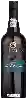
Winery Comenda GrandeGrande Reserva
 Red wine


In the mouth this red wine is a powerful with a lot of tannins present in the mouth.
This wine generally goes well with poultry, beef or veal.

Taste structure of the Grande Reserva from the Winery Comenda Grande
Light | Bold | |
Smooth | Tannic | |
Dry | Sweet | |
Soft | Acidic |
In the mouth the Grande Reserva of Winery Comenda Grande in the region of Alentejano is a powerful with a lot of tannins present in the mouth.
Food and wine pairings with Grande Reserva
Pairings that work perfectly with Grande Reserva



Original food and wine pairings with Grande Reserva

The Grande Reserva of Winery Comenda Grande matches generally quite well with dishes of beef, lamb or veal such as recipes of braised beef with guinness, leg or shoulder of lamb with honey and thyme or veal paupiettes with cider.
Details and technical informations about Winery Comenda Grande's Grande Reserva.
Discover the grape variety: Cornichon blanc
Table grape with elongated gherkin-shaped berries, thin skin and crunchy flesh with a pleasant sweet flavour. Very rarely vinified. Now marginal, it survives in a few amateur gardens and ampelographic collections. A witness to French ampelographic heritage, it is among the ancient varieties studied for their historical interest and characteristic shape. French white table grape variety, formerly grown for fresh consumption and preservation.
Last vintages of this wine
The best vintages of Grande Reserva from Winery Comenda Grande are 2013, 0
Informations about the Winery Comenda Grande
The Winery Comenda Grande is one of of the world's greatest estates. It offers 17 wines for sale in the of Alentejano to come and discover on site or to buy online.

The wine region of Alentejano
Star of southern Portugal's great reds, sunny and opulent wines. Typical blends: round fruity Aragonez (Tempranillo), spicy Trincadeira, Touriga Nacional (black fruits, violet), deep teinturier Alicante Bouschet, juicy Castelão. Fleshy reds with notes of plum, black cherry, cocoa and sweet spices, melted tannins. Ample fresh Antão Vaz and Arinto whites.
The word of the wine: Late harvest
A name historically used in Alsace, late harvest refers to grapes harvested during over-ripening for the production of sweet and syrupy wines.