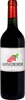
Winery Club Naval de CascaisFarol de Cascais
 Red wine



This wine generally goes well with
Details and technical informations about Winery Club Naval de Cascais's Farol de Cascais.
Discover the grape variety: Semidano
Cultivated for a very long time in Sardinia (Italy) where it occupied an important place before the phylloxera crisis... it is almost unknown in France.
Last vintages of this wine
The best vintages of Farol de Cascais from Winery Club Naval de Cascais are 2013, 0, 2015
Informations about the Winery Club Naval de Cascais
The Winery Club Naval de Cascais is one of of the world's greatest estates. It offers 1 wines for sale in the of Península de Setúbal to come and discover on site or to buy online.

The wine region of Península de Setúbal
Setúbal Peninsula (also known as Península de Setúbal) is the Portuguese wine region immediately southeast of Lisbon, across the Tejo estuary. The Terroir in the area ranges from sandy coastal plains to the craggy, limestone-rich Serra Arribida hills. The area is known for its Dry red wines made from Castelão, and for its fortified wines and Sweet Moscatel de Setúbal. The wines produced here are made under three titles: two DOCs, Palmela and Setúbal, and one IGP.
The word of the wine: Soft
Sweet wine containing between 30 and 50 grams of residual sugar. A sweet wine is made from very ripe grapes but without being affected by botrytis cinerea and without being raisined. This term can also be applied to a dry wine that is smooth and fat in the mouth.