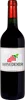
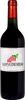
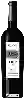
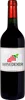
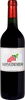
Clos Mont-BlancCastillo De Montblanc Cabernet Sauvignon
 Red wine



In the mouth this red wine is a powerful.
This wine generally goes well with poultry, beef or veal.

Taste structure of the Castillo De Montblanc Cabernet Sauvignon from the Clos Mont-Blanc
Light | Bold | |
Smooth | Tannic | |
Dry | Sweet | |
Soft | Acidic |
In the mouth the Castillo De Montblanc Cabernet Sauvignon of Clos Mont-Blanc in the region of Catalogne is a powerful.
Food and wine pairings with Castillo De Montblanc Cabernet Sauvignon
Pairings that work perfectly with Castillo De Montblanc Cabernet Sauvignon



Original food and wine pairings with Castillo De Montblanc Cabernet Sauvignon

The Castillo De Montblanc Cabernet Sauvignon of Clos Mont-Blanc matches generally quite well with dishes of beef, pasta or veal such as recipes of quick beef bourguignon, tagliatelle with seafood and saffron cream or veal shank with mushrooms.
Details and technical informations about Clos Mont-Blanc's Castillo De Montblanc Cabernet Sauvignon.
Discover the grape variety: Cabernet-Sauvignon
Structured, tannic reds, deeply coloured, with aromas of blackcurrant, blackberry, cedar, tobacco and graphite, underpinned by firm acidity and fine ageing potential. Cornerstone of the great Médoc estates (Pauillac, Saint-Estèphe, Saint-Julien) and signature of Napa Valley, Coonawarra and Maipo. The world's most planted red variety, a natural cross of Cabernet Franc x Sauvignon Blanc born in Bordeaux.
Last vintages of this wine
The best vintages of Castillo De Montblanc Cabernet Sauvignon from Clos Mont-Blanc are 0
Informations about the Clos Mont-Blanc
The Clos Mont-Blanc is one of of the world's great estates. It offers 53 wines for sale in the of Conca de Barberà to come and discover on site or to buy online.

The wine region of Conca de Barberà
Catalan DOP north of Tarragona between mountains, Mediterranean climate with hot summers. Signature Trepat native exclusive to the zone: indulgent rosés and fine reds with notes of wild strawberry, red cherry, raspberry, redcurrant, violet and floral touch, fine tannins and elegant palate — qualitative revival over 20 years. Macabeu and Parellada in lively whites (base of local Cava). Supple Tempranillo (Ull de Llebre), fruity Garnacha, firm Cabernet.
The wine region of Catalogne
Cradle of Cava (~95% of Spanish output, traditional method): Macabeo, Xarel-lo, Parellada trilogy, fine fruity bubble. Quality peak in Priorat DOCa: dense, mineral reds on llicorella (schist), old-vine Garnacha and Cariñena with black fruit, garrigue notes, firm tannins. Also Penedès, fleshy Montsant, sunny Empordà, Costers del Segre. Mediterranean.
The word of the wine: Presses
The juice that results from pressing the grapes after fermentation. At the end of the maceration, the vats are emptied, the first juice obtained is called the free-run wine and the marc remaining at the bottom of the vat is then pressed to give the press wine. We say more quickly "the presses". Their quality varies according to the vintage and the maceration. A too vigorous extraction releases the tannins of pips and the wine of press can then prove to be very astringent. Often the winemaker raises it separately, deciding later whether or not to incorporate it totally or partially into the grand vin.