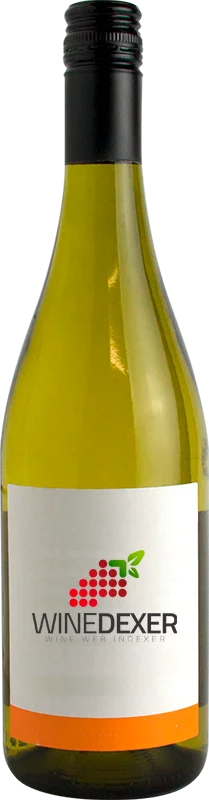
Clos MarfisiLes Nuits Blanches de Patrimonio
 White wine



This wine generally goes well with

Details and technical informations about Clos Marfisi's Les Nuits Blanches de Patrimonio.
Discover the grape variety: Brun fourca
Light, fruity reds with a light ruby robe, silky tannins and an airy palate with preserved acidity, showing discreet signature aromas of red fruits and Provençal garrigue notes. Rustic, airy profile. Almost extinct, preserved in INRAE ampelographic collections and a few heritage plots in Provence, part of the ancient grapes of heritage value being studied. Native Provençal black grape, formerly grown in Provence.
Last vintages of this wine
The best vintages of Les Nuits Blanches de Patrimonio from Clos Marfisi are 2020, 0
Informations about the Clos Marfisi
The Clos Marfisi is one of of the world's greatest estates. It offers 14 wines for sale in the of Patrimonio to come and discover on site or to buy online.

The wine region of Patrimonio
First Corsican AOC around the Gulf of Saint-Florent at Cap Corse, clay-limestone soils (rare in Corsica), Mediterranean climate. Niellucciu signature red king (Sangiovese cousin, 90% min): deep and fresh with black cherry, blackberry, plum, garrigue, maquis herbs, leather and spices, firm tannins and sunny palate. Gourmet rosés (75% min Niellucciu): strawberry, citrus, garrigue. Vermentinu in white only authorized: full and saline (pear, flowers, almond).
The wine region of Corsica
Mediterranean island wine region with a triple native face, ~8,000 ha. Niellucciu signature (cousin of Sangiovese) dominates Patrimonio: structured reds with signature notes of black cherry, garrigue, maquis, spices and leather, firm tannins and sun-drenched mouth. Sciaccarellu (min. 60% in Ajaccio) lighter and peppery (strawberry, wild herbs).
The word of the wine: Decanting
A sommelier uses a decanter to separate the clear wine from the solid parts in a bottle.