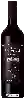
Clos MalverneHoneydew
 Sweet wine



This wine generally goes well with

Wine flavors and olphactive analysis





On the nose the Honeydew of Clos Malverne in the region of Western Cape often reveals types of flavors of non oak, earth or microbio and sometimes also flavors of oak, tree fruit or spices.
Details and technical informations about Clos Malverne's Honeydew.
Discover the grape variety: Noir Fleurien
Light, fruity reds with a clear ruby robe, silky tannins and a supple palate, with unassuming aromas of red fruits (cherry, raspberry) and fresh floral notes. Airy profile to drink young. Preserved in INRAE varietal collections, it reflects the pre-phylloxera ampelographic diversity of central France and is among the heritage varieties under study. Rare, near-extinct native French black grape, once grown in central France.
Last vintages of this wine
The best vintages of Honeydew from Clos Malverne are 2012, 2015, 2011, 0
Informations about the Clos Malverne
The Clos Malverne is one of of the world's great estates. It offers 27 wines for sale in the of Stellenbosch to come and discover on site or to buy online.

The wine region of Stellenbosch
Showcase of the South African vineyard: signature Cabernet Sauvignon as king red — structured and age-worthy with notes of blackcurrant, blackberry, cedar, tobacco and a menthol touch, firm tannins. Emblematic national Pinotage (created 1925) opulent and smoky (blackberry, coffee, leather). Fleshy Shiraz, supple Merlot as complement. Vibrant Chenin Blanc, ample Chardonnay and lively Sauvignon in whites.
The wine region of Western Cape
Cradle of South African wine. Signature Chenin Blanc (Steen, 20%) in ample, fresh whites with notes of quince, yellow apple, honey and acacia flower, from crisp dry to sweet. Sharp, iodised Sauvignon Blanc (Walker Bay, Constantia), balanced Chardonnay. Reds: emblematic Pinotage with roasted aromas (coffee, plum, smoke), firm Cabernet Sauvignon, spicy Syrah.
The word of the wine: Premier cru
In Burgundy, third level of classification (above the regional and communal appellations), designating the wines produced on delimited parcels (climats) whose name is added to the communal appellation. The climats classified as first growths are 635.