The Clos Larrouyat of Jurançon of South West
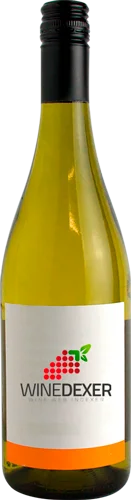
The Clos Larrouyat is one of the world's great estates. It offers 3 wines for sale in of Jurançon to come and discover on site or to buy online.
Looking for the best Clos Larrouyat wines in Jurançon among all the wines in the region? Check out our tops of the best red, white or effervescent Clos Larrouyat wines. Also find some food and wine pairings that may be suitable with the wines from this area. Learn more about the region and the Clos Larrouyat wines with technical and enological descriptions.
How Clos Larrouyat wines pair with each other generally quite well with dishes such as recipes .
Béarn jewel of whites at the foot of the Pyrenees: signature Petit Manseng as king white for sweet wines (on-vine raisining) — opulent and fresh with notes of honey, candied pineapple, mango, apricot, white flowers, cinnamon, nutmeg and a truffle touch, signature chiseled acidity balancing sugar. Gros Manseng as dry, lively and taut (citrus, exotic fruits, flowers). Courbu and Lauzet as complement. AOC (1936), ~1,000 ha on 25 communes south of Pau, clay-gravel terraces.
How Clos Larrouyat wines pair with each other generally quite well with dishes such as recipes .
Aromatic, fresh dry whites with a pale golden robe, a supple palate and preserved acidity of delicate light muscat, white flowers (elderflower, acacia), citrus, apple, pear and floral notes. A thirst-quenching profile to drink young. A disease-resistant interspecific grape driving organic vineyards in Germany, Switzerland, Belgium, UK and the Netherlands. German hybrid created in 1964 at Geilweilerhof (bacchus × villard blanc).
Planning a wine route in the of Jurançon? Here are the wineries to visit and the winemakers to meet during your trip in search of wines similar to Clos Larrouyat.
Light and fruity reds with a clear ruby robe, fine tannins and fresh acidity, with aromas of red fruits (raspberry, redcurrant), spices and herbaceous notes. An airy, easy-drinking style. Preserved in a few heritage plots in Béarn and the French Basque Country for its historical value. A very rare autochthonous south-west variety, with no direct genetic link to the white petit and gros manseng despite the shared name.