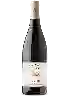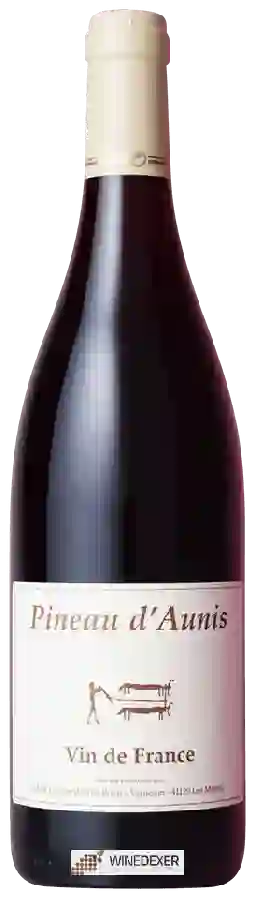
Clos du Tue-BoeufPineau d'Aunis
 Red wine


This wine generally goes well with

Wine flavors and olphactive analysis





On the nose the Pineau d'Aunis of Clos du Tue-Boeuf in the region of Pays d'Oc often reveals types of flavors of cherry, earthy or blackberry and sometimes also flavors of strawberries, raspberry or pepper.
Details and technical informations about Clos du Tue-Boeuf's Pineau d'Aunis.
Discover the grape variety: Pineau d'Aunis
Light, spicy reds with a clear ruby robe, fine tannins and fresh acidity, with characteristic aromas of black pepper, red fruit (raspberry, redcurrant), spice and herbal notes. Airy, refreshing palate with a signature peppery finish. Also made as very expressive, taut rosés. Star of Coteaux du Vendômois AOC, present in Anjou, Touraine and Coteaux du Loir AOC. Autochthonous Loire Valley variety, present since the 12th century (favourite wine of Henry Plantagenet).
Last vintages of this wine
The best vintages of Pineau d'Aunis from Clos du Tue-Boeuf are 2017, 2015, 2018, 2016
Informations about the Clos du Tue-Boeuf
The Clos du Tue-Boeuf is one of of the world's greatest estates. It offers 31 wines for sale in the of Vin de Pays to come and discover on site or to buy online.

The wine region of Vin de Pays
Intermediate category between AOC and Vin de France (renamed IGP in 2009), 27% of national volume. Accessible, expressive wines defined by their grape: opulent Chardonnay, lively Sauvignon, round Merlot, peppery Syrah, floral Viognier with apricot. 76 IGP in France at 3 scales: regional (Pays d'Oc, Méditerranée, Val de Loire), departmental or local. Flexible rules, wide range of permitted grapes, free grape and vintage labelling.
The wine region of Pays d'Oc
The single-grape IGP par excellence: modern, accessible, frank and fruity wines, the popular signature of the Midi. Spicy Syrah reds (pepper, blackberry), round Merlot, structured Cabernet, generous Grenache, supple Cinsault. Crisp, tangy rosés. Opulent Chardonnay whites, lively Sauvignon, floral, apricoty Viognier.
The word of the wine: Sulphating
Treatment, formerly practiced with copper sulfate, applied to the vine to prevent cryptogamic diseases.