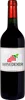
Winery ClaroShiraz - Cabernet Sauvignon - Carmenère
 Red wine
This wine is a blend of 2 varietals which are the Cabernet-Sauvignon and the Carmenère.
This wine generally goes well with poultry, beef or lamb.

Food and wine pairings with Shiraz - Cabernet Sauvignon - Carmenère
Pairings that work perfectly with Shiraz - Cabernet Sauvignon - Carmenère



Original food and wine pairings with Shiraz - Cabernet Sauvignon - Carmenère


The Shiraz - Cabernet Sauvignon - Carmenère of Winery Claro matches generally quite well with dishes of beef, lamb or spicy food such as recipes of beef tongue with pickle sauce, rice with paprika and merguez or coral lentil salad.
Details and technical informations about Winery Claro's Shiraz - Cabernet Sauvignon - Carmenère.
Discover the grape variety: Cabernet-Sauvignon
Structured, tannic reds, deeply coloured, with aromas of blackcurrant, blackberry, cedar, tobacco and graphite, underpinned by firm acidity and fine ageing potential. Cornerstone of the great Médoc estates (Pauillac, Saint-Estèphe, Saint-Julien) and signature of Napa Valley, Coonawarra and Maipo. The world's most planted red variety, a natural cross of Cabernet Franc x Sauvignon Blanc born in Bordeaux.
Informations about the Winery Claro
The Winery Claro is one of of the world's great estates. It offers 25 wines for sale in the of Central Valley to come and discover on site or to buy online.

The wine region of Central Valley
Heart of modern Chilean wine: structured, sunny reds, dense, blackcurranty Cabernet Sauvignon from Maipo (Chilean cradle of the grape), signature Carménère with notes of ripe pepper, black fruit and sweet spices from Colchagua, supple Merlot and deep Syrah. Round Chardonnay whites and lively, sharp Sauvignon. Mediterranean climate, 400 km between Andes and Pacific. Star sub-regions: Maipo, Cachapoal, Colchagua, Curicó, Maule.
The word of the wine: Removal of shoes
In the spring, this operation consists of removing the mound of earth formed at the foot of the vines by ploughing between the rows in the autumn.