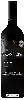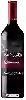
Winery FronteraSweet Red
 Red wine



This wine generally goes well with
Wine flavors and olphactive analysis




On the nose the Sweet Red of Winery Frontera in the region of Central Valley often reveals types of flavors of non oak, earth or oak and sometimes also flavors of red fruit.
Details and technical informations about Winery Frontera's Sweet Red.
Discover the grape variety: Bia blanc
An ancient noble grape variety of the Isère Valley and the Rhône Valley department, which was very present before the phylloxera crisis. In the Saint Marcellin region (Isère), it was often associated with Jacquère and Marsanne. Almost unknown in other French regions and other wine-producing countries, it is in the process of disappearing, although it has been registered since 2011 in the Official Catalogue of wine grape varieties, list A1.
Last vintages of this wine
The best vintages of Sweet Red from Winery Frontera are 2017, 2015, 2014, 2019 and 0.
Informations about the Winery Frontera
The Winery Frontera is one of of the world's greatest estates. It offers 57 wines for sale in the of Central Valley to come and discover on site or to buy online.

The wine region of Central Valley
The Central Valley (El Valle Central) of Chile is one of the most important wine-producing areas in South America in terms of Volume. It is also one of the largest wine regions, stretching from the Maipo Valley (just south of Santiago) to the southern end of the Maule Valley. This is a distance of almost 250 miles (400km) and covers a number of Climate types. The Central Valley wine region is easily (and often) confused with the geological Central Valley, which runs north–south for more than 620 miles (1000km) between the Pacific Coastal Ranges and the lower Andes.
The word of the wine: Bracket
Black grape variety from Provence which contributes to the personality of the red wines of the AOC Bellet, near Nice. It gives a lightly colored but full-bodied wine that is good with age. Syn.: brachet.