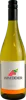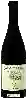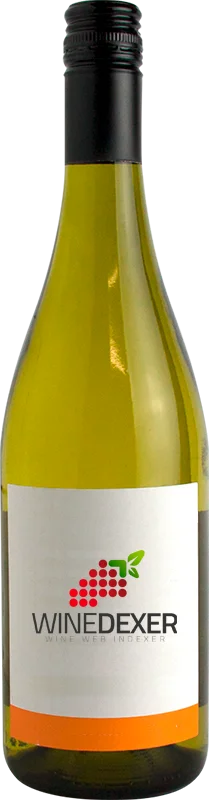
Domaine des Chenesl'Air du Temps
 White wine
In the mouth this white wine is a .
This wine generally goes well with vegetarian, poultry or lean fish.
Taste structure of the l'Air du Temps from the Domaine des Chenes
Light | Bold | |
Dry | Sweet | |
Soft | Acidic |
In the mouth the l'Air du Temps of Domaine des Chenes in the region of Languedoc-Roussillon is a .
Food and wine pairings with l'Air du Temps
Pairings that work perfectly with l'Air du Temps



Original food and wine pairings with l'Air du Temps


The l'Air du Temps of Domaine des Chenes matches generally quite well with dishes of pasta, vegetarian or poultry such as recipes of mami's macaroni and gruyere gratin, quiche without pastry or coconut chicken.
Details and technical informations about Domaine des Chenes's l'Air du Temps.
Discover the grape variety: Roussanne
Roussane is a white grape variety, planted on an area of more than 700 ha. Originally from Montélimar, it is also found in Savoie, Languedoc and Roussillon, and grows very well in calcareous, poor, stony soil. It prefers to be pruned short. Roussane is also called fromenteau, barbin or bergeron. The young leaves are bubbled with fine down. When adult, they become thicker. It flowers in June and matures in mid-September. The grapes are cylindrical in shape, the berries are small and turn red when ripe, and the wine produced from pure Roussane is of extraordinary quality. It has a delicate aroma reminiscent of coffee, honeysuckle, iris and peony. The taste of this wine improves with age. It is part of the blend of the appellations Vin-de-Savoie, Côtes-du-Vallée du Rhône or Châteauneuf-du-Pape.
Informations about the Domaine des Chenes
The Domaine des Chenes is one of of the world's greatest estates. It offers 13 wines for sale in the of Languedoc-Roussillon to come and discover on site or to buy online.

The wine region of Languedoc-Roussillon
Languedoc (formerly Coteaux du Languedoc) is a key appellation used in the Languedoc-Roussillon wine region of southern France. It covers Dry table wines of all three colors (red, white and rosé) from the entire region, but leaves Sweet and Sparkling wines to other more specialized appellations. About 75% of all Languedoc wines are red, with the remaining 25% split roughly down the middle between whites and rosés. The appellation covers most of the Languedoc region and almost a third of all the vineyards in France.
The word of the wine: Organic (agriculture)
A type of agriculture (and therefore viticulture) based on respect for living organisms and biological cycles, and which excludes the use of synthetic treatment products and synthetic fertilizers. Organic farming is guaranteed by the respect of a set of specifications.