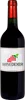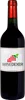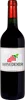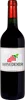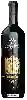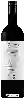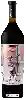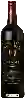
Château Saint-LoubertLa Cuvée Zoé
 Red wine
This wine generally goes well with poultry, beef or veal.
Food and wine pairings with La Cuvée Zoé
Pairings that work perfectly with La Cuvée Zoé



Original food and wine pairings with La Cuvée Zoé

The La Cuvée Zoé of Château Saint-Loubert matches generally quite well with dishes of beef, lamb or game (deer, venison) such as recipes of roasted fillet of beef with parsley, lamb tagine with prunes or potjevlesch (northern france).
Details and technical informations about Château Saint-Loubert's La Cuvée Zoé.
Discover the grape variety: Mondeuse noire
Cultivated for a very long time in Savoie, it is not the black form of mondeuse blanche and Mondeuse grise is a natural mutation of mondeuse noire. According to Thierry Lacombe (I.N.R.A./Montpellier), the latter is the result of a natural intraspecific crossing between the black tressot and the white mondeuse. Mondeuse grise and Mondeuse noire are both registered in the official catalogue of wine grape varieties, list A1.
Informations about the Château Saint-Loubert
The Château Saint-Loubert is one of of the world's great estates. It offers 12 wines for sale in the of Bordeaux to come and discover on site or to buy online.

The wine region of Bordeaux
Bordeaux, in southwestern France, is one of the most famous, prestigious and prolific wine regions in the world. The majority of Bordeaux wines (nearly 90% of the production Volume) are the Dry, medium and Full-bodied red Bordeaux blends for which it is famous. The finest (and most expensive) are the wines of the great châteaux of Haut-Médoc and the right bank appellations of Saint-Émilion and Pomerol. The former focuses (at the highest level) on Cabernet Sauvignon, the latter on Merlot.
The word of the wine: Deposit
Solid particles that can naturally coat the bottom of a bottle of wine. It is rather a guarantee that the wine has not been mistreated: in fact, to avoid the natural deposit, rather violent processes of filtration or cold passage (- 7 or - 8 °C) are used in order to precipitate the tartar (the small white crystals that some people confuse with crystallized sugar: just taste to dissuade you from it)