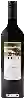
Château ReuletMosicate Corbières
 Red wine
This wine generally goes well with beef, veal or pasta.

Food and wine pairings with Mosicate Corbières
Pairings that work perfectly with Mosicate Corbières



Original food and wine pairings with Mosicate Corbières
The Mosicate Corbières of Château Reulet matches generally quite well with dishes of beef, pasta or veal such as recipes of beef with cider, chinese soy and chicken noodles (wok style) or calf sweetbread with mushrooms.
Details and technical informations about Château Reulet's Mosicate Corbières.
Discover the grape variety: Dolcetto nero
Supple, fruity reds with an intense violet-ruby hue, rounded tannins and a smooth palate, with flavours of blackberry, plum, black cherry, blueberry, bitter almond and floral notes (violet). Moderate acidity, easy-drinking wines ideal young with cured meats and Piedmontese pasta. Star of Dogliani DOCG, Dolcetto d'Alba DOC, Dolcetto di Diano d'Alba DOCG and Dolcetto di Ovada DOCG. Native Piedmontese variety; its name evokes the sweetness of ripe grapes ("little sweet one").
Informations about the Château Reulet
The Château Reulet is one of wineries to follow in Corbières.. It offers 2 wines for sale in the of Corbières to come and discover on site or to buy online.

The wine region of Corbières
Largest AOC in Languedoc, 95% Mediterranean reds. Signature old-vine Carignan (up to 60%): fleshy reds with black fruit, garrigue, black olive, spice and tight tannins. Blended with round, sunny Grenache, peppery Syrah, dense Mourvèdre and supple Cinsault. A few fresh rosés and whites (Grenache Blanc, Roussanne).
The wine region of Languedoc-Roussillon
Largest single French vineyard, dominated by sunny, generous reds. Spicy Syrah, candied Grenache (ripe fruit, garrigue), structured Carignan, deep Mourvèdre, supple Cinsault. Stars: structured Corbières, Minervois, Faugères, Saint-Chinian; round Côtes-du-Roussillon. Legendary vins doux naturels: Banyuls and Maury (fortified Grenache) with notes of cocoa, fig, prune.
The word of the wine: Caudalie
Unit of measurement corresponding to one second and allowing to quantify the aromatic persistence of a wine in mouth (length in mouth).