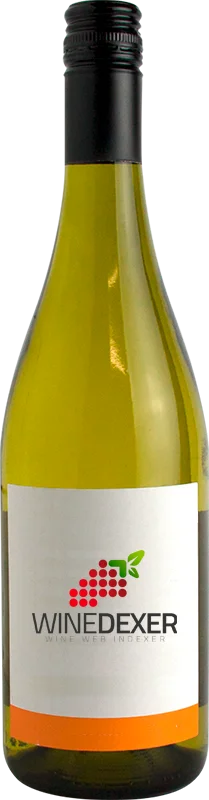
Château PoulvèreLe Caillou Monbazillac
 Sweet wine
This wine generally goes well with vegetarian, poultry or rich fish (salmon, tuna etc).

Food and wine pairings with Le Caillou Monbazillac
Pairings that work perfectly with Le Caillou Monbazillac



Original food and wine pairings with Le Caillou Monbazillac


The Le Caillou Monbazillac of Château Poulvère matches generally quite well with dishes of rich fish (salmon, tuna etc), shellfish or sweet desserts such as recipes of tuna with tomatoes in the oven, chinese fondue or yoghurt cake.
Details and technical informations about Château Poulvère's Le Caillou Monbazillac.
Discover the grape variety: Cornalin
Structured, elegant age-worthy reds with a deep ruby robe, fine tannins and an ample palate with fine acidity, showing signature aromas of red fruits (cherry, raspberry), spices, violet and leather notes. Characteristic alpine profile. Star of the great Valaisan reds, producing age-worthy wines on the sun-drenched slopes of the Swiss Rhône valley. Autochtone black variety of Valais, Switzerland, identical to Rouge du Pays.
Informations about the Château Poulvère
The Château Poulvère is one of of the world's great estates. It offers 39 wines for sale in the of Monbazillac to come and discover on site or to buy online.

The wine region of Monbazillac
World's largest sweet AOC south of Bergerac (South-West): signature Sémillon as king white with Sauvignon and Muscadelle — medium-sweet to botrytized sweet wines with opulent notes of honey, candied apricot, quince, pineapple, mango, beeswax, saffron and a touch of spice, unctuousness balanced by fine acidity. Successive picking of noble grapes mandatory. AOC (1936), ~2,320 ha on clay-limestone slopes, morning mists favoring Botrytis cinerea, 10-50 year aging.
The wine region of South West
French mosaic of strong identities south of Bordeaux. Cahors and its Malbec ("black wine"): deep reds with notes of blackberry, plum, violet, tobacco and cocoa, firm tannins. Madiran and its dense, age-worthy Tannat. Jurançon whites: golden sweet (apricot, honey, pineapple) and lively dry from Petit Manseng.
The word of the wine: Late harvest
A name historically used in Alsace, late harvest refers to grapes harvested during over-ripening for the production of sweet and syrupy wines.