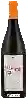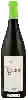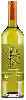
Château MonlucBlanc
 White wine



This wine generally goes well with vegetarian, rich fish (salmon, tuna etc) or shellfish.

Food and wine pairings with Blanc
Pairings that work perfectly with Blanc



Original food and wine pairings with Blanc
The Blanc of Château Monluc matches generally quite well with dishes of rich fish (salmon, tuna etc), shellfish or vegetarian such as recipes of lemon and tuna risotto, fried squid or leek, goat cheese and bacon quiche.
Details and technical informations about Château Monluc's Blanc.
Discover the grape variety: Saperavi
Deeply coloured, powerful reds with inky robe (teinturier grape with red flesh) and tight tannins, with intense aromas of blackberry, blackcurrant, black plum, spices, leather and balsamic notes. High acidity and fine ageing potential. Often made by the ancestral qvevri method (buried clay jar), it signs the great Georgian reds of Kakheti (Mukuzani, Kvareli, Napareuli). Also in Russia, Ukraine and Australia. Ancient Georgian variety.
Informations about the Château Monluc
The Château Monluc is one of of the world's great estates. It offers 31 wines for sale in the of Gascogne to come and discover on site or to buy online.

The wine region of Gascogne
Gers South-West IGP on the Armagnac territory, 90% lively, aromatic whites. Signature Colombard (~50%): explosive notes of citrus, grapefruit, exotic fruits, box and a floral touch, taut and thirst-quenching palate — the summer aperitif at gentle prices. More neutral Ugni Blanc (also Armagnac base), herbaceous Sauvignon, more ample Gros and Petit Manseng (yellow fruits, honey). Oceanic temperate climate on "boulbènes" soils.
The wine region of South West
French mosaic of strong identities south of Bordeaux. Cahors and its Malbec ("black wine"): deep reds with notes of blackberry, plum, violet, tobacco and cocoa, firm tannins. Madiran and its dense, age-worthy Tannat. Jurançon whites: golden sweet (apricot, honey, pineapple) and lively dry from Petit Manseng.
The word of the wine: Discharge
In the traditional method, elimination of the yeast deposit formed during the second fermentation in the bottle.