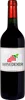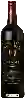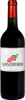
Château GrenetLe Fruit de Chateau Grenet Bordeaux Bio
 Red wine



In the mouth this red wine is a powerful with a nice balance between acidity and tannins.
This wine generally goes well with poultry, beef or veal.
Taste structure of the Le Fruit de Chateau Grenet Bordeaux Bio from the Château Grenet
Light | Bold | |
Smooth | Tannic | |
Dry | Sweet | |
Soft | Acidic |
In the mouth the Le Fruit de Chateau Grenet Bordeaux Bio of Château Grenet in the region of Bordeaux is a powerful with a nice balance between acidity and tannins.
Food and wine pairings with Le Fruit de Chateau Grenet Bordeaux Bio
Pairings that work perfectly with Le Fruit de Chateau Grenet Bordeaux Bio



Original food and wine pairings with Le Fruit de Chateau Grenet Bordeaux Bio

The Le Fruit de Chateau Grenet Bordeaux Bio of Château Grenet matches generally quite well with dishes of beef, veal or game (deer, venison) such as recipes of roast pork with pineapple, express veal stew in a pressure cooker or aiguillette of duck with honey.
Details and technical informations about Château Grenet's Le Fruit de Chateau Grenet Bordeaux Bio.
Discover the grape variety: Merlot
Merlot noir is a grape variety that originated in France (Bordeaux). It produces a variety of grape specially used for wine making. It is rare to find this grape to eat on our tables. This variety of grape is characterized by small to medium sized bunches, and medium sized grapes. Merlot noir can be found in many vineyards: South West, Languedoc & Roussillon, Cognac, Bordeaux, Loire Valley, Armagnac, Burgundy, Jura, Champagne, Rhone Valley, Beaujolais, Provence & Corsica, Savoie & Bugey.
Last vintages of this wine
The best vintages of Le Fruit de Chateau Grenet Bordeaux Bio from Château Grenet are 2017, 2016, 0
Informations about the Château Grenet
The Château Grenet is one of of the world's greatest estates. It offers 9 wines for sale in the of Bordeaux to come and discover on site or to buy online.

The wine region of Bordeaux
Bordeaux, in southwestern France, is one of the most famous, prestigious and prolific wine regions in the world. The majority of Bordeaux wines (nearly 90% of the production Volume) are the Dry, medium and Full-bodied red Bordeaux blends for which it is famous. The finest (and most expensive) are the wines of the great châteaux of Haut-Médoc and the right bank appellations of Saint-Émilion and Pomerol. The former focuses (at the highest level) on Cabernet Sauvignon, the latter on Merlot.
The word of the wine: R-M (champagne)
Harvesting and handling. It is the artisan winemaker. He elaborates his own champagne, often a monocru representative of the village or the surrounding villages.