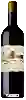
Château des FougèresLa Folie Graves Blanc
 White wine


This wine generally goes well with pork, vegetarian or poultry.

Food and wine pairings with La Folie Graves Blanc
Pairings that work perfectly with La Folie Graves Blanc



Original food and wine pairings with La Folie Graves Blanc


The La Folie Graves Blanc of Château des Fougères matches generally quite well with dishes of pork, vegetarian or poultry such as recipes of reblochon tartiflette, ham and comté quiche or imene's tunisian ojja.
Details and technical informations about Château des Fougères's La Folie Graves Blanc.
Discover the grape variety: Rosé du Var
Lively, fruity rosés with a pale to bright pink colour, supple palate and preserved acidity, showing signature aromas of red fruits (strawberry, raspberry, cherry), flowers and Mediterranean notes. Airy Provençal profile, best drunk young. Preserved for its heritage value, it contributes to the rosé identity of Provençal viticulture among the ancient cultivars studied for their genetic interest. Rare French pink variety native to Provence, grown in confidential quantities in the Var.
Last vintages of this wine
The best vintages of La Folie Graves Blanc from Château des Fougères are 0
Informations about the Château des Fougères
The Château des Fougères is one of of the world's greatest estates. It offers 8 wines for sale in the of Graves to come and discover on site or to buy online.

The wine region of Graves
Historic cradle of Bordeaux wine, left bank south of the city. Structured reds on siliceous gravel: firm cassis-laden Cabernet Sauvignon, velvety Merlot, perfumed Cabernet Franc, signature notes of black fruit, smoke, graphite and cigar box. Elegant dry whites blending Sauvignon (citrus, boxwood, freshness) and Sémillon (wax, honey, richness with ageing), among Bordeaux's longest-lived. Also sweet Graves Supérieures.
The wine region of Bordeaux
World-renowned age-worthy reds, led by round Merlot (plum, black fruit) or firm Cabernet Sauvignon (blackcurrant, cedar, graphite), blended with Cabernet Franc and Petit Verdot for tannic structure. Structured Médoc and Graves, velvety Saint-Émilion and Pomerol. Also crisp dry whites (Sauvignon/Sémillon) and opulent sweet Sauternes with honey and candied fruit. A 110,000 ha Gironde vineyard, 65 appellations, cradle of the 1855 classified growths.
The word of the wine: Douçâtre
Soft wine with a dominant sweetness at the expense of freshness.