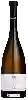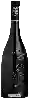
Château de Saint MartinCuvée Grand Réserve Cotes de Provence Cru Classé
 Red wine



This wine generally goes well with

Details and technical informations about Château de Saint Martin's Cuvée Grand Réserve Cotes de Provence Cru Classé.
Discover the grape variety: Fenile
Structured, aromatic dry whites with a pale golden colour and a broad, crisp palate, showing signature aromas of white-fleshed fruits (pear, peach), white flowers (broom) and saline, iodine-laced marine notes. Heroic coastal profile. A traditional blending component in Costa d'Amalfi DOC, the signature grape of the heroic viticulture of the Amalfi terraced vineyards. Rare indigenous white from Campania, Italy.
Informations about the Château de Saint Martin
The Château de Saint Martin is one of of the world's great estates. It offers 39 wines for sale in the of Côtes de Provence to come and discover on site or to buy online.

The wine region of Côtes de Provence
World reference for pale, elegant rosé: salmon to onion-skin hue, notes of strawberry, pink grapefruit, white peach and flowers, fresh, dry, mineral palate, taut finish. 90% of output, the Provençal signature. Grenache, Cinsault, Syrah and native Tibouren in the blend. A few fleshy Mediterranean reds (Mourvèdre, Syrah) and saline Vermentino whites.
The wine region of Provence
World capital of dry, refined rosé (~90% of production). Pale rose-petal colour, delicate nose of fresh red fruits (strawberry, raspberry, redcurrant), citrus (pink grapefruit), white flowers and a mineral touch, taut and thirst-quenching palate — the Mediterranean aperitif par excellence. Blends of Grenache, Cinsault, Syrah, Tibouren and Mourvèdre. Fleshy Bandol reds from Mourvèdre (leather, garrigue, age-worthy), straight Cassis whites.
The word of the wine: Erinosis
Generally benign condition caused by a very small mite. The infested leaves show blisters on the upper surface, sometimes reddish, sometimes green, to which corresponds on the lower surface a dense felting, first pinkish white, then brownish or reddish.