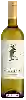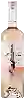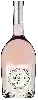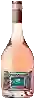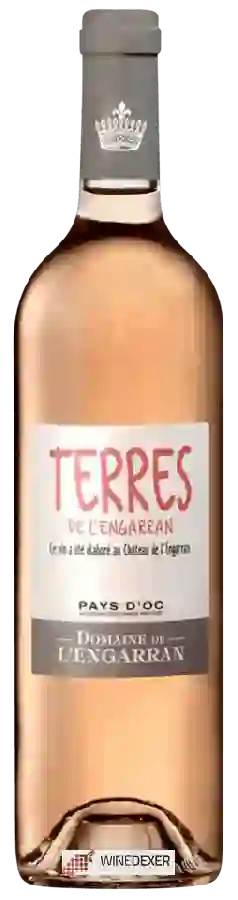
Château de l'EngarranTerres de l’Engarran Rosé
 Pink wine
In the mouth this pink wine is a with a nice freshness.
This wine generally goes well with vegetarian, appetizers and snacks or lean fish.

Taste structure of the Terres de l’Engarran Rosé from the Château de l'Engarran
Light | Bold | |
Dry | Sweet | |
Soft | Acidic |
In the mouth the Terres de l’Engarran Rosé of Château de l'Engarran in the region of Pays d'Oc is a with a nice freshness.
Food and wine pairings with Terres de l’Engarran Rosé
Pairings that work perfectly with Terres de l’Engarran Rosé



Original food and wine pairings with Terres de l’Engarran Rosé


The Terres de l’Engarran Rosé of Château de l'Engarran matches generally quite well with dishes of pasta, vegetarian or appetizers and snacks such as recipes of risotto of coquillettes with chorizo, spinach and goat cheese quiche or codfish accras.
Details and technical informations about Château de l'Engarran's Terres de l’Engarran Rosé.
Discover the grape variety: St. Laurent
Structured and elegant reds with a deep ruby colour, soft to firm tannins and silky palate, with signature aromas of red fruit (cherry, raspberry), morello cherry (hallmark), sweet spices, undergrowth and floral notes reminiscent of Pinot Noir. Fine ageing potential. Star of the great reds of the Austrian Burgenland, also grown in the Czech Republic. The German synonym for Saint Laurent, an indigenous Austrian black variety genetically related to Pinot Noir.
Informations about the Château de l'Engarran
The Château de l'Engarran is one of of the world's great estates. It offers 23 wines for sale in the of Pays d'Oc to come and discover on site or to buy online.

The wine region of Pays d'Oc
The single-grape IGP par excellence: modern, accessible, frank and fruity wines, the popular signature of the Midi. Spicy Syrah reds (pepper, blackberry), round Merlot, structured Cabernet, generous Grenache, supple Cinsault. Crisp, tangy rosés. Opulent Chardonnay whites, lively Sauvignon, floral, apricoty Viognier.
The word of the wine: Climate
Term used in Burgundy to designate a locality. The most famous climats are subject to specific recognition and constitute the first growths.