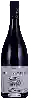
Château d'UxellesBourgogne Alfred de La Chapelle
 Red wine


In the mouth this red wine is a with a nice freshness.
This wine generally goes well with poultry, beef or veal.
Taste structure of the Bourgogne Alfred de La Chapelle from the Château d'Uxelles
Light | Bold | |
Smooth | Tannic | |
Dry | Sweet | |
Soft | Acidic |
In the mouth the Bourgogne Alfred de La Chapelle of Château d'Uxelles in the region of Burgundy is a with a nice freshness.
Food and wine pairings with Bourgogne Alfred de La Chapelle
Pairings that work perfectly with Bourgogne Alfred de La Chapelle



Original food and wine pairings with Bourgogne Alfred de La Chapelle

The Bourgogne Alfred de La Chapelle of Château d'Uxelles matches generally quite well with dishes of beef, veal or game (deer, venison) such as recipes of oxtail confit in red wine, simple and fragrant roast veal or rabbit good woman.
Details and technical informations about Château d'Uxelles's Bourgogne Alfred de La Chapelle.
Discover the grape variety: Corvinone
It has been cultivated for a very long time in northern Italy, but in France it is hardly known. It should not be confused with corvina, another Italian grape variety that is very present in the same region, both of which are most often associated with rondinella and molinara.
Last vintages of this wine
The best vintages of Bourgogne Alfred de La Chapelle from Château d'Uxelles are 0
Informations about the Château d'Uxelles
The Château d'Uxelles is one of of the world's greatest estates. It offers 7 wines for sale in the of Burgundy to come and discover on site or to buy online.

The wine region of Burgundy
Bourgogne is the catch-all regional appellation title of the Burgundy wine region in eastern France ("Bourgogne" is the French name for Burgundy). Burgundy has a Complex and comprehensive appellation system; counting Premier Cru and Grand Cru titles, the region has over 700 appellation titles for its wines. Thus, Burgundy wines often come from one Vineyard (or several separate vineyards) without an appellation title specific to the region, Village or even vineyard. A standard Burgundy wine may be made from grapes grown in one or more of Burgundy's 300 communes.
The word of the wine: Rosé (champagne)
Unique rosé wine made by blending white wine with a small amount of red Champagne. It is however possible to vinify the must directly into rosé.