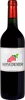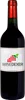
Château CajusLes Hauts de Cajus
 Red wine
In the mouth this red wine is a powerful with a nice balance between acidity and tannins.
This wine generally goes well with beef, veal or pasta.
Taste structure of the Les Hauts de Cajus from the Château Cajus
Light | Bold | |
Smooth | Tannic | |
Dry | Sweet | |
Soft | Acidic |
In the mouth the Les Hauts de Cajus of Château Cajus in the region of Pays d'Oc is a powerful with a nice balance between acidity and tannins.
Food and wine pairings with Les Hauts de Cajus
Pairings that work perfectly with Les Hauts de Cajus



Original food and wine pairings with Les Hauts de Cajus
The Les Hauts de Cajus of Château Cajus matches generally quite well with dishes of beef, pasta or veal such as recipes of traditional flemish carbonades, capellini with vegetables or moroccan veal tagine from hanane.
Details and technical informations about Château Cajus's Les Hauts de Cajus.
Discover the grape variety: Etraire de la Dui
Etraire de la Dui is a black grape variety, originating from the department of Isère. It is so similar to the Persian that many people have difficulty differentiating between them. This resemblance has earned it the nickname "gros persan". This grape variety is now in danger of extinction. It is only cultivated on 10ha. The leaves of the Dui are large and have convex teeth. Its bunches and berries are generally large. A vigorous variety, it is quite productive and prefers a short pruning. This plant appreciates deep, clay-limestone soils. With an average budburst, it reaches maturity in the second half of the year. It fears winter frosts and is susceptible to shattering, especially when fully ripe. On the other hand, it defends itself well against powdery mildew and grey rot. This variety produces concentrated, colorful and tannic wines. Some of them are astringent when the grape variety is too ripe.
Informations about the Château Cajus
The Château Cajus is one of of the world's great estates. It offers 18 wines for sale in the of Pays d'Oc to come and discover on site or to buy online.

The wine region of Pays d'Oc
Pays d'Oc is the PGI for red, white and rosé wines that are produced over a wide area of the southern coast of France. The PGI catchment area corresponds roughly to the Languedoc-roussillon">Languedoc-Roussillon wine region, one of the largest wine regions in France. The area covers all wines that are not produced under the strict laws that govern AOC-level appellations in the regions: among them, Corbières, Minervois and the Languedoc appellation itself. The Pays d'Oc PGI is arguably the most important in France, producing the majority of the country's PGI wines.
The word of the wine: Malvasia
Name given locally to various grape varieties, notably pinot gris (Pays nantais) and vermentino (Provence and Corsica).