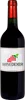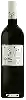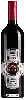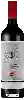
Château Botica de BournonvilleNorebert Count Rèserve
 Red wine
In the mouth this red wine is a powerful with a nice balance between acidity and tannins.
This wine generally goes well with beef, veal or pasta.
The Norebert Count Rèserve of the Château Botica de Bournonville is in the top 50 of wines of Cabardès.
Taste structure of the Norebert Count Rèserve from the Château Botica de Bournonville
Light | Bold | |
Smooth | Tannic | |
Dry | Sweet | |
Soft | Acidic |
In the mouth the Norebert Count Rèserve of Château Botica de Bournonville in the region of Languedoc-Roussillon is a powerful with a nice balance between acidity and tannins.
Food and wine pairings with Norebert Count Rèserve
Pairings that work perfectly with Norebert Count Rèserve



Original food and wine pairings with Norebert Count Rèserve
The Norebert Count Rèserve of Château Botica de Bournonville matches generally quite well with dishes of beef, pasta or veal such as recipes of family potluck, the real recipe for carbonara or veal escalope with marsala.
Details and technical informations about Château Botica de Bournonville's Norebert Count Rèserve.
Discover the grape variety: Seibel 6468
Direct producer hybrid obtained by Albert Seibel (1844/1936), interbreeding between 4614 Seibel and 3011 Seibel. The 6468 Seibel was not multiplied very much, today it is not present in the vineyard anymore. It should be noted that it has been used in many other crosses to obtain, among others, the Villard blanc, the date tree of Saint Vallier, etc.
Informations about the Château Botica de Bournonville
The Château Botica de Bournonville is one of of the world's greatest estates. It offers 2 wines for sale in the of Cabardès to come and discover on site or to buy online.

The wine region of Cabardès
Cabardes is a relatively small appellation for red and rosé wines produced in the hills just North of Carcassonne in Southern France. The appellation was introduced in 1999, to represent and ensure the quality of the wines, which have been produced here since Roman times. The Languedoc-Roussillon/cabards">Cabardès catchment area, situated in the foothills of the Montagne Noire, is on the border between the Languedoc-Roussillon and the South West of France. This dual identity is reflected in the Grape varieties that make up the wines of the appellation: Grenache and Syrah from the south and east of France; Cabernet Franc, Cabernet Sauvignon and Merlot from the southwest and Bordeaux.
The wine region of Languedoc-Roussillon
Languedoc (formerly Coteaux du Languedoc) is a key appellation used in the Languedoc-Roussillon wine region of southern France. It covers Dry table wines of all three colors (red, white and rosé) from the entire region, but leaves Sweet and Sparkling wines to other more specialized appellations. About 75% of all Languedoc wines are red, with the remaining 25% split roughly down the middle between whites and rosés. The appellation covers most of the Languedoc region and almost a third of all the vineyards in France.
The word of the wine: Maceration
Prolonged contact and exchange between the juice and the grape solids, especially the skin. Not to be confused with the time of fermentation, which follows maceration. The juice becomes loaded with colouring matter and tannins, and acquires aromas. For a rosé, the maceration is short so that the colour does not "rise" too much. For white wines too, a "pellicular maceration" can be practised, which allows the wine to acquire more fat.