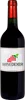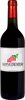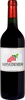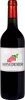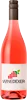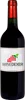
Winery Charlotte VillageVermont Merlot
 Red wine


This wine generally goes well with beef and game (deer, venison).



Food and wine pairings with Vermont Merlot
Pairings that work perfectly with Vermont Merlot


Original food and wine pairings with Vermont Merlot
The Vermont Merlot of Winery Charlotte Village matches generally quite well with dishes of beef or game (deer, venison) such as recipes of mexican beef tacos or garbure landaise.
Details and technical informations about Winery Charlotte Village's Vermont Merlot.
Discover the grape variety: Merlot
Round and fleshy reds with a velvety texture, showing aromas of ripe plum, black cherry, cocoa and truffle notes with age. Supple tannins, generous alcohol, indulgent finish. Pillar of Libournais (Pomerol with Pétrus, Saint-Émilion with Cheval Blanc and Ausone) and signature of Super Tuscans, Italian Wales and Washington State. A cross of Cabernet Franc × Magdeleine Noire, France's most planted red variety.
Last vintages of this wine
The best vintages of Vermont Merlot from Winery Charlotte Village are 0
Informations about the Winery Charlotte Village
The Winery Charlotte Village is one of of the world's greatest estates. It offers 7 wines for sale in the of Vermont to come and discover on site or to buy online.

The wine region of Vermont
Northeastern American state pioneering cold-hardy hybrids (-30 to -40 C), developed by the University of Minnesota. Signature La Crescent as white king: intense and aromatic with apricot, peach, citrus, white flowers and honey, vivid acidity — singular and expressive. Structured Marquette in red (cherry, blackberry, spices, black pepper, firm tannins), more substantial than most northern hybrids. ~16 committed artisanal wineries.
The word of the wine: Powdery mildew
Disease of the vine due to a fungus. Less dreadful than mildew, it only attacks the surface of the green parts. Sulphur has long been the best remedy.