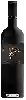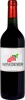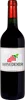
Winery Les Fils de Charles FavreFavi Assemblage de Cépages Nobles
 Red wine



This wine generally goes well with
Details and technical informations about Winery Les Fils de Charles Favre's Favi Assemblage de Cépages Nobles.
Discover the grape variety: Lignage
Noble grape variety, formerly known in Loir et Cher, more precisely on the right bank of the Loire Valley between Blois and Tours. It is completely unknown in other French wine regions and abroad. Absent today from the Loire vineyards, its reintroduction, even if limited, should not be long in coming.
Last vintages of this wine
The best vintages of Favi Assemblage de Cépages Nobles from Winery Les Fils de Charles Favre are 0, 2019
Informations about the Winery Les Fils de Charles Favre
The Winery Les Fils de Charles Favre is one of of the world's great estates. It offers 86 wines for sale in the of Valais to come and discover on site or to buy online.

The wine region of Valais
The Valais is the largest wine region and appellation in Switzerland, responsible for around one third of the country's total wine production. The main Vineyard area covers the southeast-facing slopes of the dramatic Rhône river valley as the glacial waters run southwest between Leuk (Loeche in French) and Fully. The river changes direction at Martigny and then runs northwest to exit the valley and empty into Lac Léman (Lake Geneva). Vineyard area here comes to around 4,800 hectares (11,800 acres) and is generally located on (often steep) slopes and terraces between the flat, fertile, Heavy soils at the bottom of the valley - often given over to fruit production, industry and urban development - and the bare rock of the mountainside that towers above.
The word of the wine: Muscat blanc à petits grains
A white grape variety cultivated since antiquity on the shores of the Mediterranean, it is considered the noblest of the muscats. It is mainly used to make sweet wines, often from mutage. In France, it is the sole variety used in many natural sweet wines: muscat-de-frontignan, muscat-de-mireval, muscat-de-lunel, muscat-de-saint-jean-de-minervois, muscat-de-beaumes-de-venise, muscat-du-cap-corse. Combined with Muscat d'Alexandrie, it gives Muscat-de-Rivesaltes. It is also used to make sparkling white wines (clairette-de-die; moscato d'asti and asti spumante in Italy) and dry wines (alsace-muscat). Powerfully aromatic and complex, its wines evoke fresh grapes, roses, exotic fruits, citrus fruits and spices.