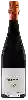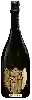
Winery Charles DufourLa Sauvage Blanc de Blancs Extra Brut Champagne
 Sparkling wine


This wine generally goes well with pork, rich fish (salmon, tuna etc) or shellfish.

Food and wine pairings with La Sauvage Blanc de Blancs Extra Brut Champagne
Pairings that work perfectly with La Sauvage Blanc de Blancs Extra Brut Champagne



Original food and wine pairings with La Sauvage Blanc de Blancs Extra Brut Champagne

The La Sauvage Blanc de Blancs Extra Brut Champagne of Winery Charles Dufour matches generally quite well with dishes of pork, rich fish (salmon, tuna etc) or shellfish such as recipes of stuffed artichoke, christmas salad or paella from an old spanish grandmother....
Details and technical informations about Winery Charles Dufour's La Sauvage Blanc de Blancs Extra Brut Champagne.
Discover the grape variety: Chardonnay
Whites with many faces: mineral and taut at Chablis (lemon, green apple, flint), opulent and buttery at Meursault and Puligny-Montrachet (hazelnut, brioche, yellow fruits), tense and chalky in Champagne (Blanc de Blancs). Also vinified sparkling and widely exported (Sonoma, Margaret River, Casablanca). A Burgundian variety, a cross of Pinot Noir × Gouais Blanc, half-sibling of Aligoté.
Last vintages of this wine
The best vintages of La Sauvage Blanc de Blancs Extra Brut Champagne from Winery Charles Dufour are 0
Informations about the Winery Charles Dufour
The Winery Charles Dufour is one of of the world's great estates. It offers 46 wines for sale in the of Champagne to come and discover on site or to buy online.

The wine region of Champagne
World benchmark sparkling wines: fine bubbles, citrusy tension, notes of brioche, toasted almond, white flowers and white-fleshed fruits after ageing on lees. Three grapes blended or solo: fleshy Pinot Noir (38%), fruity Meunier (33%), chiselled Chardonnay (28%). From straight Blanc de Blancs to vinous Blanc de Noirs, from non-vintage Brut to age-worthy Millésimé. AOC since 1927, 34,300 ha on chalk, 17 Grands Crus and 44 Premiers Crus.
The word of the wine: Extraction
All the methods (pumping over, punching down) that allow the colour and tannins to be extracted from the grape skin during maceration, before fermentation begins. It is also possible to macerate after fermentation, but gently, so as not to extract the tannins from the seeds, which are greener. Because of its solvent power, alcohol favours extraction.