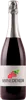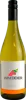
Winery Centurio SzőlőbirtokFáy-Domb Sárgamuskotály
 White wine


This wine generally goes well with
The Fáy-Domb Sárgamuskotály of the Winery Centurio Szőlőbirtok is in the top 10 of wines of Mátra.
Wine flavors and olphactive analysis


On the nose the Fáy-Domb Sárgamuskotály of Winery Centurio Szőlőbirtok in the region of Eger often reveals types of flavors of earth, tree fruit or citrus fruit.
Details and technical informations about Winery Centurio Szőlőbirtok's Fáy-Domb Sárgamuskotály.
Discover the grape variety: Muscardin
Muscardin noir is a grape variety that originated in France (Vaucluse). It produces a variety of grape specially used for wine making. It is rare to find this grape to eat on our tables. This variety of grape is characterized by bunches of medium size, and grapes of medium caliber. The Muscardin noir can be found in several vineyards: South-West, Cognac, Bordeaux, Rhône valley, Provence & Corsica, Loire valley, Savoie & Bugey, Beaujolais, Languedoc & Roussillon.
Last vintages of this wine
The best vintages of Fáy-Domb Sárgamuskotály from Winery Centurio Szőlőbirtok are 0, 2018
Informations about the Winery Centurio Szőlőbirtok
The Winery Centurio Szőlőbirtok is one of of the world's greatest estates. It offers 22 wines for sale in the of Mátra to come and discover on site or to buy online.

The wine region of Mátra
The wine region of Mátra is located in the region of Eger of Hungary. Wineries and vineyards like the Domaine N. A. G.
The wine region of Eger
Eger, in northeastern Hungary, is a wine region best known for its Egri Bikavér wine, popularly known as "Bull's Blood". Although Sweet, white Tokaji remains unrivaled as Hungary's most famous wine overall, Bikavér (Bull's Blood) is surely the country's most famous red. The style – a Complex blend of several dark-skinned grapes – was first made in the late 19th Century, in Szekszard (200 kilometers/130 miles southwest of Eger). It rose to international fame in the 1970s, when the state-owned Egervin winery monopolized production of the style, and successfully promoted it on export markets.
The word of the wine: Residual sugars
Sugars not transformed into alcohol and naturally present in the wine. The perception of residual sugars is conditioned by the acidity of the wine. The more acidic the wine is, the less sweet it will seem, given the same amount of sugar.