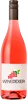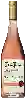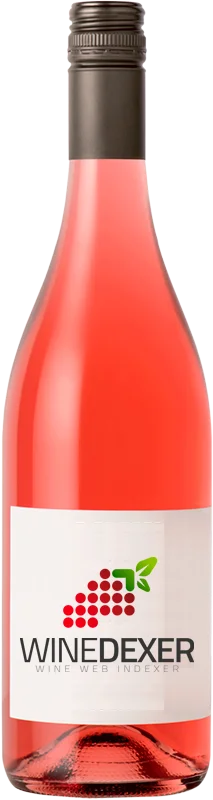
Winery Cellier de SignesL'Art des Anges Rosé
 Pink wine



This wine generally goes well with

Wine flavors and olphactive analysis





On the nose the L'Art des Anges Rosé of Winery Cellier de Signes in the region of Vin de France often reveals types of flavors of earth, tree fruit or red fruit.
Details and technical informations about Winery Cellier de Signes's L'Art des Anges Rosé.
Discover the grape variety: Nosiola
Dry, vivid and delicate whites with a pale golden robe, slender mouthfeel and fresh acidity, with signature aromas of fresh hazelnut, green apple, citrus, white flowers, almond and alpine mineral notes. Also produced as a great amber passito with dried fruit, honey and candied apricot notes. Star of Trentino Nosiola DOC and exclusive component of the prestigious Vino Santo Trentino DOC. An autochthonous Trentino variety whose very name evokes the hazelnut.
Last vintages of this wine
The best vintages of L'Art des Anges Rosé from Winery Cellier de Signes are 2018, 2016, 0, 2017
Informations about the Winery Cellier de Signes
The Winery Cellier de Signes is one of of the world's greatest estates. It offers 27 wines for sale in the of Vin de France to come and discover on site or to buy online.

The wine region of Vin de France
The freest category of French wine, the playground of winemakers working outside the AOC. All styles combined: fruity reds, lively or ambitious whites, everyday rosés, unusual blends, natural wines, atypical grapes (Petit Manseng in Languedoc, Riesling in Provence), experimental winemaking (skin-contact whites, no sulphur). Grape and vintage labelling allowed, no geographic constraint. From the pop, convivial cuvée to the artisan gem: freedom in a bottle.
The word of the wine: Away from the eye
See len de l'el.