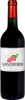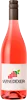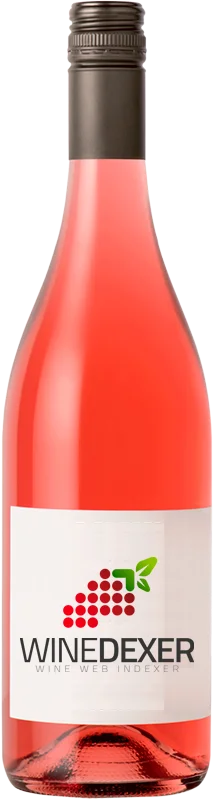
Winery Collbaix Celler El MolíRosat
 Pink wine



This wine generally goes well with pork, poultry or beef.

Food and wine pairings with Rosat
Pairings that work perfectly with Rosat



Original food and wine pairings with Rosat



The Rosat of Winery Collbaix Celler El Molí matches generally quite well with dishes of beef, lamb or pork such as recipes of beef with mustard, pan-fried lamb heart or kale soup.
Details and technical informations about Winery Collbaix Celler El Molí's Rosat.
Discover the grape variety: Cabernet-Sauvignon
Structured, tannic reds, deeply coloured, with aromas of blackcurrant, blackberry, cedar, tobacco and graphite, underpinned by firm acidity and fine ageing potential. Cornerstone of the great Médoc estates (Pauillac, Saint-Estèphe, Saint-Julien) and signature of Napa Valley, Coonawarra and Maipo. The world's most planted red variety, a natural cross of Cabernet Franc x Sauvignon Blanc born in Bordeaux.
Last vintages of this wine
The best vintages of Rosat from Winery Collbaix Celler El Molí are 0
Informations about the Winery Collbaix Celler El Molí
The Winery Collbaix Celler El Molí is one of of the world's great estates. It offers 16 wines for sale in the of Pla de Bages to come and discover on site or to buy online.

The wine region of Pla de Bages
Small Catalan DO 50 km northwest of Barcelona, clay-limestone basin at 200-500 m, dry Mediterranean-continental climate. Picapoll is the signature white king (indigenous): lively and aromatic with green apple, citrus, lavender, thyme, rosemary and pine touch — imprint of Mediterranean herbs. Tense Macabeo and Parellada (Cava grapes). Ull de Llebre (Tempranillo) fruity red, dense Cabernet, Merlot, Syrah.
The wine region of Catalogne
Cradle of Cava (~95% of Spanish output, traditional method): Macabeo, Xarel-lo, Parellada trilogy, fine fruity bubble. Quality peak in Priorat DOCa: dense, mineral reds on llicorella (schist), old-vine Garnacha and Cariñena with black fruit, garrigue notes, firm tannins. Also Penedès, fleshy Montsant, sunny Empordà, Costers del Segre. Mediterranean.
The word of the wine: Muscat blanc à petits grains
A white grape variety cultivated since antiquity on the shores of the Mediterranean, it is considered the noblest of the muscats. It is mainly used to make sweet wines, often from mutage. In France, it is the sole variety used in many natural sweet wines: muscat-de-frontignan, muscat-de-mireval, muscat-de-lunel, muscat-de-saint-jean-de-minervois, muscat-de-beaumes-de-venise, muscat-du-cap-corse. Combined with Muscat d'Alexandrie, it gives Muscat-de-Rivesaltes. It is also used to make sparkling white wines (clairette-de-die; moscato d'asti and asti spumante in Italy) and dry wines (alsace-muscat). Powerfully aromatic and complex, its wines evoke fresh grapes, roses, exotic fruits, citrus fruits and spices.